

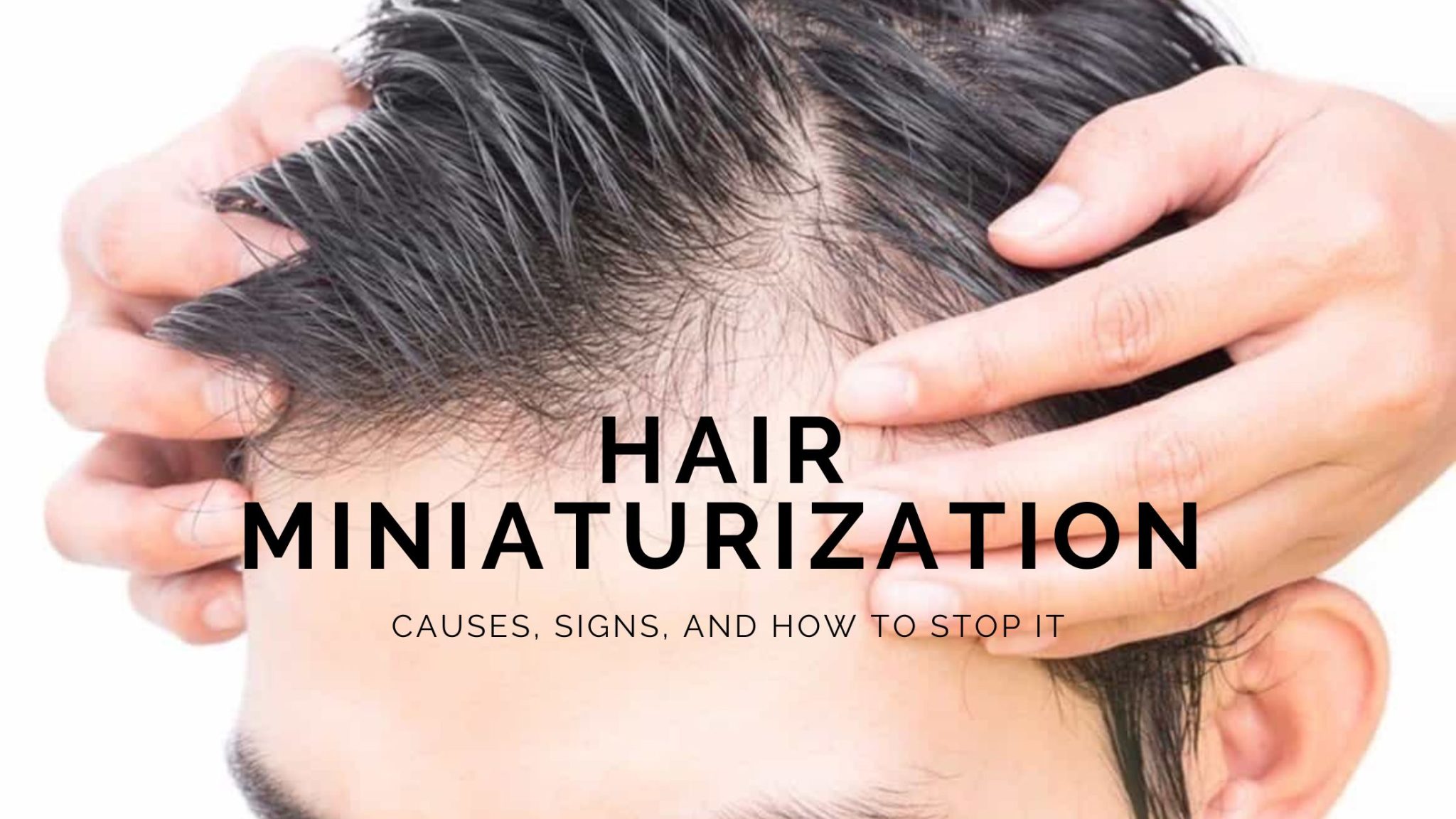

Millions of Americans take steps every day to slow or prevent hair loss. While shedding around 50 to 100 hairs daily is considered normal, seeing excessive hair in a brush or shower drain — or noticing a thinner ponytail — can signal a deeper issue. In many cases, that issue is hair miniaturization.
Genetics often play a major role, particularly in male and female pattern baldness, also known as androgenetic alopecia. This condition causes hair follicles to gradually shrink, producing thinner strands over time. Without treatment, hair loss typically continues and becomes more noticeable. Recognizing the signs early can make a significant difference, as intervention is most effective in the early stages.
Understanding Hair Miniaturization
Hair miniaturization is a slow, progressive process in which hair follicles gradually decrease in size. As this happens, the hairs they produce become finer, shorter, and weaker. Eventually, affected follicles may stop producing visible hair altogether.
This process is most commonly linked to androgenetic alopecia, but it may also be influenced by hormonal changes, aging, or certain health conditions. Over time, hair density decreases, volume is reduced, and strands may become more fragile and prone to breakage. Growth cycles may shorten, preventing hair from reaching its previous length.
Signs of Hair Miniaturization
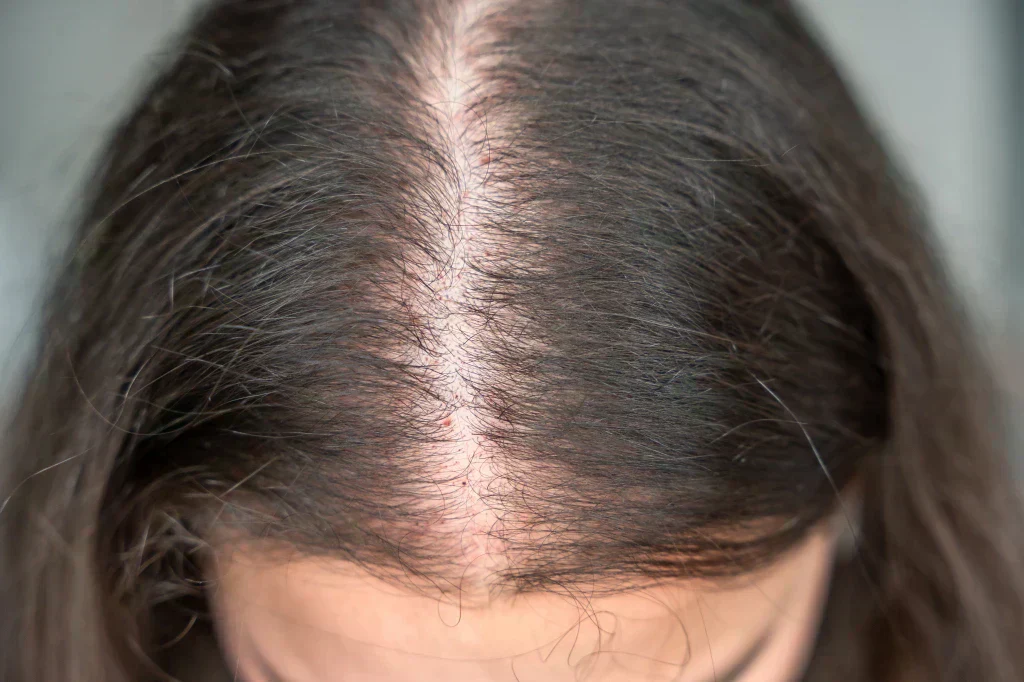
Identifying miniaturization early is essential. Common warning hair miniaturization signs include:
A widening part:
Often one of the earliest indicators, especially in women. As hair thins, more scalp becomes visible along the part line.
Increased shedding:
While some daily shedding is normal, excessive hair loss — particularly noticeable in the shower or on brushes — may suggest thinning.
Receding hairline or thinning temples:
In men, recession typically appears along the hairline, while women may notice thinning around the temples. Shorter, finer hairs in these areas often indicate follicle miniaturization.
Changes in hair texture or volume:
Hair may feel finer, frizzier, or less dense, and styles such as ponytails may feel noticeably thinner than before.
What Causes Hair Miniaturization?
Several factors are known to contribute to this condition:
Genetics:
Inherited traits strongly influence susceptibility to androgenetic alopecia and follicle sensitivity.
Dihydrotestosterone (DHT):
DHT is the primary hormone linked to hair follicle miniaturization. In individuals with genetic sensitivity, DHT binds to follicles, shortens the growth cycle, and causes hairs to shed prematurely. Each regrowth cycle produces thinner hair until the follicle becomes inactive.
Aging:
As part of the natural aging process, hair follicles may shrink and hair density can decline.
Additional factors:
Stress, poor scalp health, nutritional deficiencies, certain medications, medical conditions, and tight or tension-causing hairstyles may accelerate thinning.
Treatment Options for Hair Miniaturization
Hair miniaturization progresses slowly, which means early treatment can help slow or, in some cases, partially reverse the process. Several clinically approved options are available:
Minoxidil:
A topical treatment designed to stimulate hair growth by increasing blood flow to weakened follicles.
Finasteride:
An oral medication that reduces DHT levels, helping protect follicles from hormone-related shrinkage.
Hair transplantation:
In advanced cases, healthy follicles from the back or sides of the scalp — areas less affected by DHT — can be transplanted into thinning or balding regions.
Additional approaches may include low-level laser therapy, targeted scalp treatments, or non-surgical restoration plans tailored to individual hair health.
Final Consideration
While non-surgical treatments can be effective for many individuals, some cases of advanced hair loss require surgical intervention to restore density. Hair follicles that are resistant to DHT are carefully harvested and transplanted into affected areas, allowing for long-term, natural-looking regrowth.
Addressing hair miniaturization early offers the greatest range of treatment options and the best chance of preserving existing hair.