
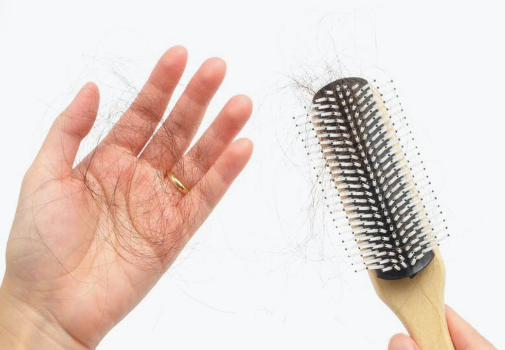

A healthy diet plays a major role in maintaining strong, shiny hair. Adding nutrient-rich foods to your routine can help reduce hair fall and support natural hair growth. If you’re struggling with shedding or thinning, focusing on the right food for hair fall prevention may make a noticeable difference.
- How Nutritional Deficiency Affects Hair Health
- 1. Eggs: Protein and Biotin for Stronger Hair
- 2. Berries: Antioxidants for Follicle Protection
- 3. Spinach: Rich in Iron, Folate, and Vitamins A & C
- 4. Fatty Fish: Omega-3 Fatty Acids and Vitamin D3
- 5. Sweet Potatoes: Beta-Carotene for Scalp Health
- 6. Avocados: Healthy Fats and Vitamin E
- 7. Nuts: Vitamin E, Zinc, and Healthy Fats
- 8. Seeds: Mineral-Dense Foods for Healthy Hair
- 9. Sweet Peppers: Vitamin C for Collagen Production
- 10. Oysters: One of the Best Sources of Zinc
- 11. Beans: Protein and Iron for Hair Growth
- 12. Soybeans: Spermidine for Longer Growth Phase
- 13. Meat: High-Quality Protein and Iron
- What is the best food for hair fall prevention?
- What foods help hair grow faster?
- Which fruit is best for hair?
- Can diet alone stop hair fall?
This guide explains how nutrients influence hair health and highlights the top foods that promote stronger, thicker hair.
How Nutritional Deficiency Affects Hair Health
Your hair growth cycle depends on several factors, including age, genetics, hormones, medications, and environmental exposure. However, diet is one factor you can control.
Vitamins and minerals support hair follicle function and cellular turnover. Deficiencies in nutrients such as vitamin B12, vitamin D, biotin, riboflavin, and iron may lead to hair fall. Ensuring a balanced diet full of essential nutrients is one of the most effective ways to support healthy hair growth.
1. Eggs: Protein and Biotin for Stronger Hair
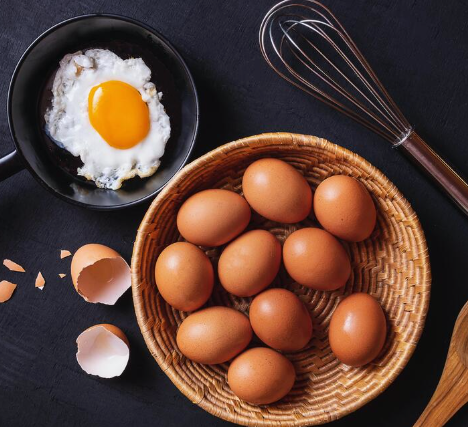
Eggs are among the best foods for hair fall prevention because they are rich in:
- Protein: Hair follicles are mostly made of protein, and inadequate protein intake may cause hair shedding.
- Biotin: Essential for keratin production. Biotin deficiency can lead to hair thinning.
Eggs also contain zinc, selenium, and other nutrients that support optimal hair health.
2. Berries: Antioxidants for Follicle Protection
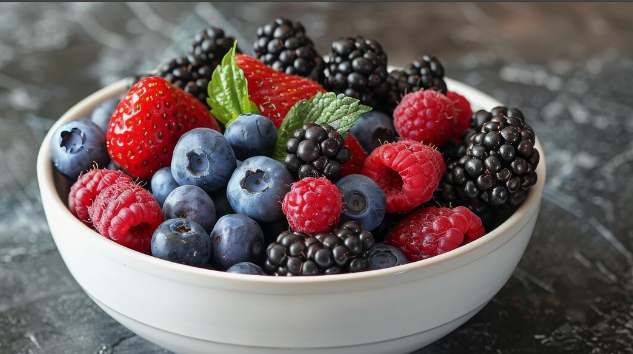
Berries provide vitamin C, an antioxidant that protects hair follicles from free radical damage.
Vitamin C also helps the body produce collagen, a protein that strengthens hair strands, and improves iron absorption, which supports hair growth.
3. Spinach: Rich in Iron, Folate, and Vitamins A & C
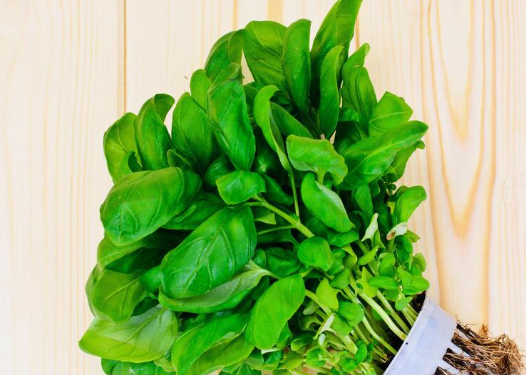
Spinach is packed with key vitamins and minerals beneficial for the scalp and hair, including:
- Iron
- Folate
- Vitamin A
- Vitamin C
Iron deficiency is a well-known cause of hair loss, making spinach a valuable addition to a hair-healthy diet.
4. Fatty Fish: Omega-3 Fatty Acids and Vitamin D3
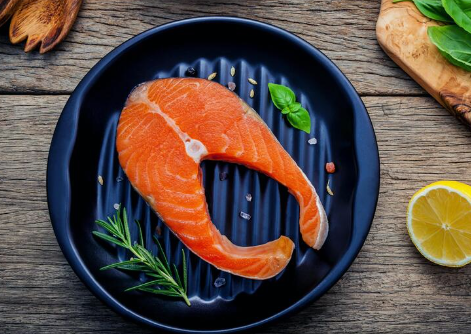
Fatty fish like salmon, herring, and mackerel are excellent sources of omega-3 fatty acids, which may help support hair density and reduce shedding. They also provide:
- High-quality protein
- B vitamins
- Selenium
- Vitamin D3
Low vitamin D levels have been linked to hair thinning.
5. Sweet Potatoes: Beta-Carotene for Scalp Health
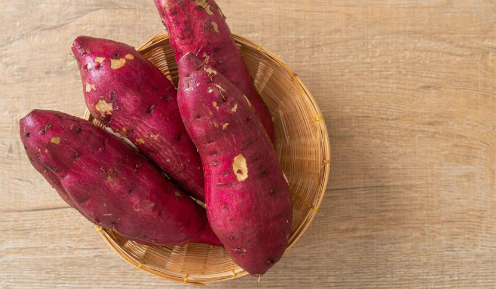
Sweet potatoes provide beta-carotene, which the body converts into vitamin A. This nutrient supports sebum production, keeping the scalp moisturized and preventing breakage.
Both vitamin A deficiency and excess supplementation can cause hair fall, so it’s best to obtain vitamin A from food sources.
6. Avocados: Healthy Fats and Vitamin E
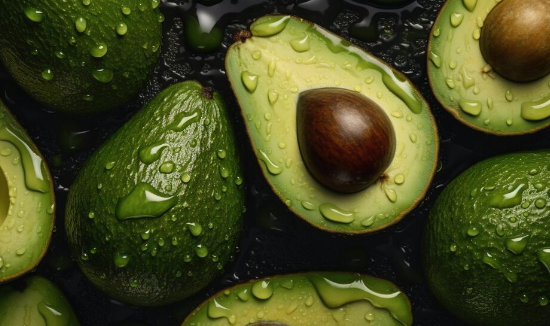
Avocados provide nourishing healthy fats and vitamin E, a powerful antioxidant that supports hair growth. Vitamin E protects the scalp from oxidative stress, which can damage hair follicles.
7. Nuts: Vitamin E, Zinc, and Healthy Fats
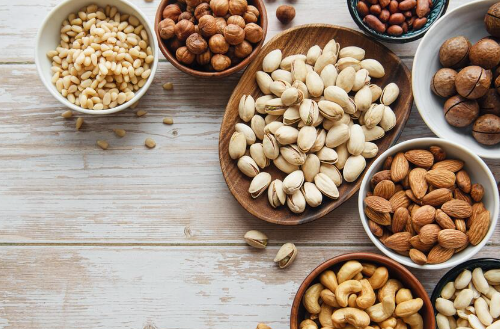
Nuts such as almonds and walnuts are rich in:
- Vitamin E
- B vitamins
- Zinc
- Essential fatty acids
Deficiencies in any of these nutrients can contribute to hair fall. Nuts also promote overall health by reducing inflammation.
8. Seeds: Mineral-Dense Foods for Healthy Hair
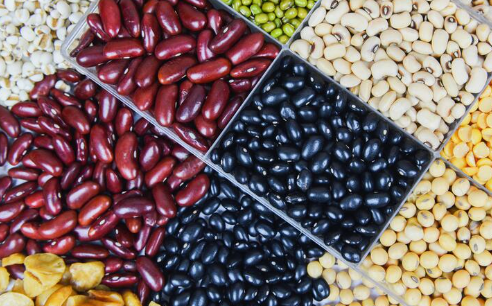
Seeds like sunflower, flax, and chia seeds provide a nutrient boost with vitamin E, zinc, selenium, and omega-3 fatty acids. These nutrients support strong, healthy hair growth and may help reduce shedding.
9. Sweet Peppers: Vitamin C for Collagen Production
Sweet peppers are exceptionally high in vitamin C, which helps strengthen hair strands and protect them from oxidative damage. They also supply vitamin A, essential for maintaining a nourished scalp.
10. Oysters: One of the Best Sources of Zinc
Zinc plays a key role in hair tissue growth and repair. Zinc deficiency can trigger a form of reversible hair loss known as telogen effluvium. Oysters are one of the richest natural sources of zinc.
11. Beans: Protein and Iron for Hair Growth
Beans are an affordable and plant-based source of protein, zinc, iron, biotin, and folate—essential nutrients that prevent hair fall and support steady growth. Their versatility makes them an easy dietary addition.
12. Soybeans: Spermidine for Longer Growth Phase
Soybeans contain spermidine, a compound linked to prolonged hair growth cycles. Initial studies suggest spermidine may help keep hair in the anagen (growth) phase for longer, though more research is needed.
13. Meat: High-Quality Protein and Iron
Meat, especially red meat, is rich in bioavailable iron and protein—two nutrients essential for healthy hair follicles. However, it should be consumed in moderation due to potential health risks associated with high intake of processed or red meat.
Frequently Asked Questions
What is the best food for hair fall prevention?
There is no single best food. A balanced diet rich in protein, iron, zinc, omega-3s, antioxidants, and vitamins A, C, D, and E is essential.
What foods help hair grow faster?
Eggs, spinach, fatty fish, berries, nuts, and seeds provide essential nutrients for faster, healthier hair growth.
Which fruit is best for hair?
Berries are excellent due to their antioxidant and vitamin C content, which protect follicles and aid iron absorption.
Can diet alone stop hair fall?
Improving nutrition can significantly reduce hair fall caused by nutritional deficiencies. However, if hair loss is due to genetic, hormonal, or medical conditions, diet alone may not be enough.
Takeaway
Your diet can strongly influence hair strength, shine, and growth rate. A deficiency in vitamins A, C, D, and E, iron, zinc, biotin, B vitamins, protein, and essential fatty acids may lead to hair fall. Incorporating nutrient-dense foods such as eggs, spinach, fatty fish, nuts, seeds, and sweet potatoes can support hair health and help prevent shedding.