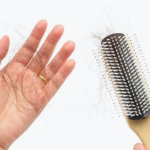


If you’ve noticed extra hair shedding during colder months, you’re not alone. Hair fall in winter is extremely common and happens because cold temperatures, low humidity, and dry indoor environments affect your scalp and hair health. While shedding can feel alarming, simple changes in your seasonal care routine can help manage it effectively.
Throughout the year, temperature and humidity shifts influence your scalp’s hydration, oil balance, and the overall hair growth cycle. Winter brings dryness and indoor heating, which strip essential moisture and make hair more fragile. Meanwhile, summer heat, spring allergies, and fall shedding cycles contribute to hair challenges in other seasons.
With a season-wise approach, you can keep your hair strong, nourished, and healthy all year long.
Why Does Seasonal Hair Fall Happen?
Seasonal hair loss occurs because your hair responds to environmental changes. Here’s how different seasons influence shedding:
Summer
- Intense sunlight weakens hair shafts.
- Heat, sweat, and oil buildup can block follicles and trigger shedding.
Fall
- Natural shedding increases as hair enters the telogen (resting) phase.
- This is one of the most noticeable shedding seasons.
Winter
- Cold, dry air removes moisture from the scalp.
- Indoor heating worsens dryness, leading to hair fall in winter, breakage, and flaky scalp.
- Lack of hydration weakens roots and causes more shedding than usual.
Spring
- Sudden humidity changes and allergies can irritate the scalp.
- Your body adjusts to the seasonal shift, sometimes causing temporary shedding.
Knowing these seasonal triggers helps you adjust your routine to reduce excessive hair fall.
Tips for Healthy Hair in Every Season
Winter Hair Care Tips
Since hair fall in winter is the most common seasonal concern, focus on restoring moisture and protection.
- Moisturize Regularly
Choose hydrating shampoos, conditioners, and leave-in creams. - Protect from Harsh Weather
Wear a scarf or hat made from satin or silk to reduce friction and breakage. - Avoid Overwashing
Washing too frequently strips natural oils. Stick to 2–3 times per week. - Deep Conditioning
Use a deep-conditioning mask weekly to combat dryness.
Spring Hair Care Tips
Spring brings humidity, pollen, and scalp sensitivity.
- Clarify the Scalp
Use clarifying shampoo to remove dirt, product buildup, and allergens. - Control Frizz
Apply a lightweight anti-frizz serum to manage humidity. - Trim Ends
A trim helps remove winter damage and split ends.
Summer Hair Care Tips
Sun, chlorine, and saltwater can damage hair during summer.
- UV Protection
Choose hair serums or sprays with UV filters. - Rinse After Swimming
Remove chlorine and salt immediately to prevent dryness. - Limit Heat Styling
Since heat exposure is already high, avoid blow-dryers and straighteners. - Stay Hydrated
Drinking plenty of water helps maintain scalp hydration.
Fall Hair Care Tips
Fall naturally increases shedding, but it can be managed.
- Improve Scalp Health
Use scalp scrubs to remove buildup and promote healthier follicles. - Strengthening Products
Look for shampoos and conditioners with biotin or keratin. - Eat Nutrient-Rich Foods
Omega-3, vitamin E, and protein support hair strength. - Oil Massages
Coconut, pumpkin seed, or argan oil massages boost circulation.
Healthy Lifestyle for Healthy Hair
Seasonal changes influence shedding, but your lifestyle plays an ongoing role.
Eat Well
Nutrients such as vitamin D, zinc, iron, and biotin support healthy growth.
Stay Hydrated
Proper hydration prevents breakage and supports scalp moisture—especially important for hair fall in winter.
Reduce Stress
High stress pushes hair follicles into the shedding phase. Meditation, yoga, and breathing exercises help maintain hair health.
Personalized Care for Hair Fall in Winter
Whether you’re dealing with hair fall in winter or seasonal shedding throughout the year, personalized care can make all the difference. If you’re looking for expert guidance, professional treatments, or tailored solutions, a consultation with a hair-care specialist can help you regain hair strength and confidence.