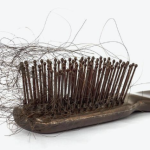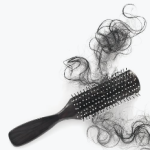

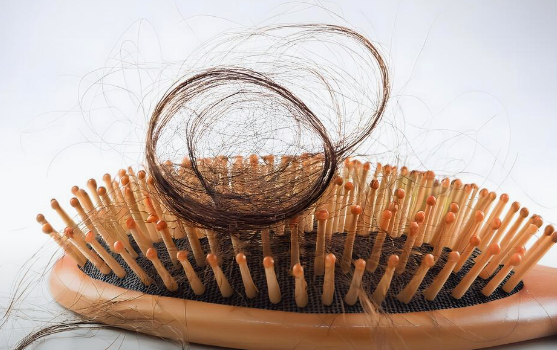

Stress has become an unavoidable part of modern life, and its effects go far beyond emotional or mental strain. One of the most visible impacts of prolonged stress is excessive hair fall. If you are noticing more shedding than usual on your pillow or in the shower, stress may be an important trigger. After genetics, stress is one of the leading causes of sudden and temporary hair loss. Understanding why this happens and how to manage it is essential for choosing the right stress hair loss treatment.
How Stress Causes Hair Loss
Most people naturally shed 50 to 100 strands of hair each day. However, during periods of intense or chronic stress, the normal hair growth cycle is disrupted, leading to higher-than-normal shedding. Stress-related hair fall is commonly linked to a condition known as telogen effluvium, where hair follicles prematurely shift into the resting phase and shed more quickly. Scientific studies show that stress increases hormones like cortisone and CRH (corticotropin-releasing hormone), which interfere with healthy hair growth and push more follicles into the shedding phase.
The good news is that stress-induced hair loss is usually temporary. With proper stress management and the right stress hair loss treatment, hair growth can return to normal over time. Hair growth occurs in four phases—anagen (growth), catagen (transition), telogen (resting), and exogen (shedding)—and stress primarily affects the balance between these stages.
Types of Stress-Related Hair Loss
Stress and anxiety are associated with several specific conditions that lead to hair fall:
Telogen Effluvium: One of the most common forms of temporary hair loss triggered by stress. Extreme stress forces many follicles into the resting phase, causing excessive shedding two to four months later. Triggers include major emotional events, illnesses, sudden weight loss, childbirth, or recovery from surgery.
Alopecia Areata: An autoimmune condition where the immune system attacks hair follicles, leading to patchy hair loss. Stress can worsen this condition, although the follicles remain alive, making regrowth possible.
Trichotillomania: A stress-related impulse control disorder where individuals repeatedly pull out their hair due to anxiety, tension, or emotional distress.
These conditions can create a damaging cycle, where stress causes hair loss and hair loss causes more stress. Recognizing the underlying cause is essential to choosing the right stress hair loss treatment.
Stress-Related Hair Loss in Women
Women often experience hair fall from stress due to hormonal fluctuations combined with emotional or physical pressure. Stress can intensify shedding, especially during pregnancy, postpartum changes, or menopause. Stress hair loss treatment for women may include hormonal balancing through homeopathy, nutritional support, and therapies like PRP to stimulate regrowth.
Stress-Related Hair Loss in Men
Men commonly experience stress-related thinning as well, often starting with a receding hairline or thinning at the crown. While genetics play a major role, stress, nutrition, and lifestyle habits can further accelerate hair loss. Male stress hair loss treatment options include homeopathic remedies for long-term results, scalp therapies to strengthen weak follicles, and PRP treatments for enhanced regrowth.
Effective Stress Hair Loss Treatment and Prevention Strategies
Here are some practical and proven ways to reduce hair loss caused by stress:
Stress Management: Techniques like meditation, deep breathing, mindfulness, and relaxing hobbies help lower cortisol levels and improve overall wellbeing. Reducing stress directly improves hair follicle health.
Balanced Diet: A nutrient-rich diet supports healthy hair growth. Essential nutrients include protein, iron, biotin, vitamins A, C, D, and E, and omega-3 fatty acids. A nutritionist can help tailor a diet plan for your needs.
Hydration: Drinking 8–10 glasses of water daily helps maintain strong and resilient hair strands. Dehydration can make hair brittle and prone to breakage.
Regular Exercise: Physical activity boosts endorphins, reduces stress, and increases blood flow to the scalp, supporting healthier follicles.
Scalp Massage: Massaging the scalp with nourishing oils enhances blood circulation and promotes relaxation, supporting natural growth.
Gentle Hair Care: Avoid harsh treatments, tight hairstyles, and chemical-heavy products. Choose mild shampoos and conditioners suitable for your scalp and hair type.
Supplements: If deficiencies are present, supplements like iron, zinc, and biotin may support hair health. Consult a professional before starting any supplements.

Conclusion
Stress-related hair fall can be emotionally challenging and can affect both men and women. However, with timely intervention and the right stress hair loss treatment, the condition can be managed effectively. Whether you prefer natural therapies, nutritional support, or advanced treatments like PRP, professional guidance can help you restore healthier, stronger hair. Clinics offering personalized treatment plans can tailor a solution that addresses your specific needs and supports long-term regrowth and confidence.