

Hair loss is something many people worry about at some point in their lives. Whether you’re noticing more strands in your brush than usual or seeing thinning patches in the mirror, it’s natural to want answers—and solutions.
- Why Does Hair Fall Out?
- Dietary Changes That May Help Prevent Hair Loss
- Supplements and Vitamins for Hair Health
- Medical Treatments for Hair Loss
- Minoxidil (Rogaine)
- Finasteride (Propecia)
- Corticosteroid Injections
- Platelet-Rich Plasma (PRP) Therapy
- Home Remedies and Natural Approaches
- Hair and Scalp Care Tips
- Be Gentle When Washing
- Avoid Tight Hairstyles
- Limit Heat and Chemical Treatments
- Protect Hair While Sleeping
- Don’t Over-Wash
- Can Hair Loss Be Reversed?
- Frequently Asked Questions
- Final Thoughts
The good news is that depending on the cause, there are several ways to slow down hair loss, encourage regrowth, and keep your hair healthier for longer. From dietary changes and supplements to medical treatments and simple lifestyle adjustments, this guide covers the most effective approaches backed by research and expert recommendations.
Why Does Hair Fall Out?
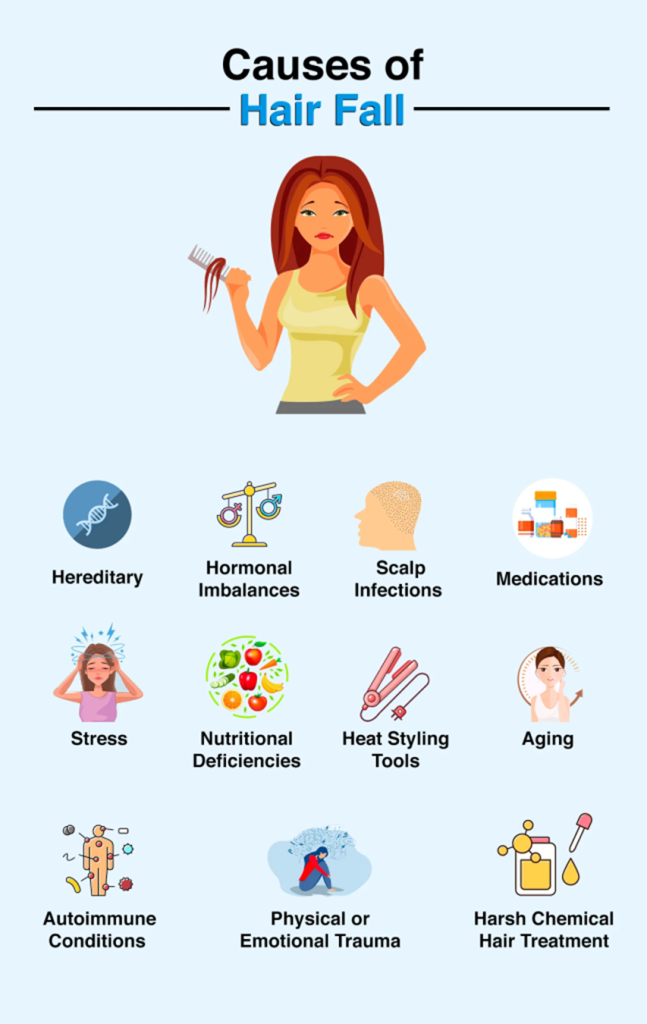
Before looking at solutions, it helps to understand why hair loss happens in the first place.
Hair naturally grows and sheds as part of its normal cycle. Most people lose between 50 and 100 hairs a day without even noticing. But when hair falls out faster than it can regrow—or when new hair grows back thinner and weaker—that’s when noticeable hair loss occurs.
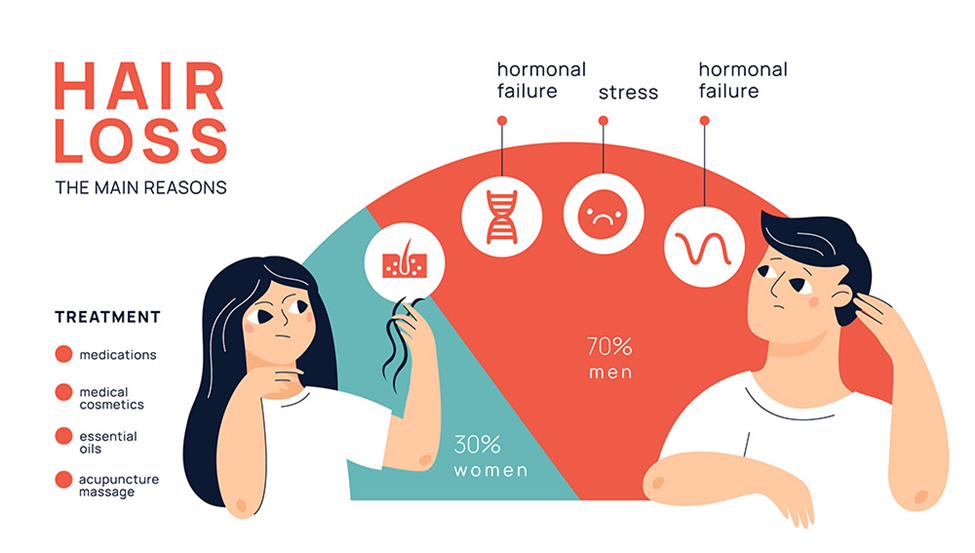
Some of the most common causes include:
- Genetics – Hereditary hair loss (androgenetic alopecia) is the most common cause, affecting both men and women
- Hormonal changes – Thyroid issues, menopause, pregnancy, and other hormonal shifts can trigger hair loss
- Stress – Physical or emotional stress can push hair follicles into a resting phase, leading to temporary shedding
- Medical conditions – Autoimmune diseases like alopecia areata, scalp infections, and other health issues
- Medications – Some drugs used for cancer, blood pressure, and other conditions can cause hair loss as a side effect
- Nutritional deficiencies – Lack of protein, iron, zinc, and certain vitamins can affect hair health
- Styling habits – Tight hairstyles, heat styling, and harsh chemical treatments can damage hair over time
- Chemotherapy and radiation – Cancer treatments often cause temporary but significant hair loss
Understanding the underlying cause is the first step toward finding the right treatment.
Dietary Changes That May Help Prevent Hair Loss
What you eat can have a real impact on the health of your hair. Here are some dietary strategies that may help:
Eat More Protein
Hair is made almost entirely of a protein called keratin, so getting enough protein in your diet is essential for healthy hair production.
A 2017 study found that several people experiencing hair loss had low protein and amino acid intakes. While more research is needed to confirm a direct link, ensuring you’re eating adequate protein—from sources like eggs, fish, lean meat, legumes, and dairy—is a sensible foundation for hair health.
Follow a Mediterranean Diet
A 2017 study found an association between the herbs and vegetables in the Mediterranean diet and a reduced risk of androgenetic alopecia (pattern baldness).
The Mediterranean diet is rich in:
- Fresh fruits and vegetables
- Whole grains
- Olive oil
- Nuts and seeds
- Fish and lean proteins
These foods provide antioxidants, vitamins, and healthy fats that may support hair health.
Avoid Crash Diets
Very low-calorie diets can deprive your body of essential nutrients—including those needed for healthy hair, such as protein, fatty acids, and zinc.
Research has shown that people who lose significant body weight quickly through restrictive diets may experience temporary hair loss. If you’re trying to lose weight, aim for a gradual, balanced approach rather than extreme calorie restriction.
Supplements and Vitamins for Hair Health
While a balanced diet should provide most of what you need, certain vitamins and minerals play a role in hair health. Deficiencies in these nutrients may contribute to hair loss:
| Nutrient | Role in Hair Health |
|---|---|
| Iron | Supports oxygen delivery to hair follicles |
| Zinc | Helps with hair tissue growth and repair |
| Biotin (Vitamin B7) | Often linked to hair strength and growth |
| Vitamin D | May help create new hair follicles |
| Vitamin A | Supports sebum production for scalp health |
| Vitamin C | Helps with collagen production and iron absorption |
| Vitamin E | Provides antioxidant protection for the scalp |
| Selenium | Supports hair follicle function |
If you’re considering a multivitamin or hair supplement, talk to a doctor first. It’s also worth noting that the FDA doesn’t regulate supplements as strictly as medications, so look for products that have been tested by third-party organisations like NSF, USP, or ConsumerLab.
Medical Treatments for Hair Loss
For more significant hair loss, medical treatments may be recommended by a dermatologist. Here are some of the most common options:
Minoxidil (Rogaine)
Minoxidil is an FDA-approved topical treatment for androgenetic alopecia. It’s available over the counter and comes in liquid or foam form. Minoxidil works by stimulating hair follicles and prolonging the growth phase of the hair cycle.
It’s also sometimes prescribed in oral form for more widespread hair loss.
Finasteride (Propecia)
Finasteride is a prescription medication that can be taken orally or applied topically. It works by blocking the hormone responsible for shrinking hair follicles in people with pattern baldness.
A 2021 clinical trial found that a topical finasteride spray significantly improved hair count in 323 men with pattern baldness.
Corticosteroid Injections
For conditions like alopecia areata (an autoimmune disorder that causes patchy hair loss), dermatologists may inject corticosteroids directly into bald or thinning areas every 4 to 8 weeks. This is considered one of the most effective treatments for this type of hair loss.
Platelet-Rich Plasma (PRP) Therapy
PRP therapy involves drawing a small amount of your blood, processing it to concentrate the platelets, and injecting the plasma into areas of hair loss. The growth factors in platelets may help stimulate hair follicles.
The procedure typically takes about 10 minutes and is repeated monthly for 3 months, then every 3 to 6 months for maintenance. It’s commonly used for androgenetic alopecia.
Home Remedies and Natural Approaches
If you prefer to start with gentler methods, there are several home remedies and natural treatments that may help support hair health.
Scalp Massage
A 2019 self-assessment survey of 340 people found that regular scalp massage may help with androgenetic alopecia. Participants who massaged their scalp for 11 to 20 minutes daily for an average of 7 months reported positive results—nearly 69% said their hair had stopped thinning or started to grow back.
While more research is needed, scalp massage is a low-risk option that may improve blood circulation to hair follicles.
Coconut Oil
Coconut oil has been used for centuries as a hair treatment. A 2018 study found that it may help prevent hair damage from UV exposure and grooming habits.
A 2022 review noted that coconut oil can help treat brittle hair, though evidence for its effect on hair growth is still limited. Applying it to the scalp and hair as a conditioning treatment may help protect against damage.
Essential Oils
Certain essential oils have shown promise for supporting hair growth when applied to the scalp:
- Rosemary oil – A 2024 overview suggests it may help treat androgenetic alopecia by improving blood circulation, similar to minoxidil
- Pumpkin seed oil – A 2021 study found that topical application for 3 months significantly increased hair regrowth in women with female pattern baldness
- Peppermint oil – May stimulate hair follicles and promote growth
- Lavender oil – Known for its calming properties and potential to support hair health
- Tea tree oil – May help with scalp conditions that contribute to hair loss
Always dilute essential oils with a carrier oil (like coconut or jojoba oil) before applying to the scalp.
Caffeine-Infused Products
According to a 2020 review, caffeine in topical formulations like shampoos and conditioners may help prevent hair loss. Caffeine stimulates cell metabolism and may prolong the growth phase of hair follicles.
Antioxidant Scalp Treatments
Using shampoos or scalp treatments that contain antioxidants may help improve scalp health and reduce hair loss.
A 2021 clinical trial found that women who used products containing the antioxidant piroctone olamine for 8 weeks experienced increased hair growth and improved scalp conditions compared to those using placebo products.
Hair and Scalp Care Tips
Taking proper care of your hair and scalp can go a long way toward preventing damage and loss. Here are some practical tips from dermatologists:
Be Gentle When Washing
The American Academy of Dermatology recommends gently massaging shampoo into your scalp—not your hair. Let the suds rinse through the lengths as you wash. Follow up with conditioner after every shampoo.
Avoid Tight Hairstyles
Styles that pull on your hair—like tight ponytails, buns, braids, and cornrows—can cause a type of hair loss called traction alopecia. Opt for looser styles that don’t put stress on your hairline.
Limit Heat and Chemical Treatments
Frequent use of straighteners, curling irons, blow dryers, and chemical treatments like colouring and perming can weaken hair over time. Give your hair regular breaks from these practices.
Protect Hair While Sleeping
Sleeping on a silk or satin pillowcase can reduce friction, tangling, and breakage. Avoid going to bed with wet hair, as hair is more fragile when wet and more prone to damage.
Don’t Over-Wash
Washing your hair too often can strip natural oils and dry out your scalp. For most people, washing every 2 to 3 days is sufficient, though this varies depending on hair type and lifestyle.
Can Hair Loss Be Reversed?
Whether hair loss can be reversed depends largely on the cause. In some cases, hair may regrow naturally or with treatment:
- Medication-related hair loss – Hair often grows back once the medication is stopped
- Post-pregnancy shedding – Temporary hair loss typically resolves within 6 to 12 months after childbirth
- Stress-related hair loss – Hair usually regrows once the stressful event has passed
- Alopecia areata – In mild cases, hair may regrow after treatment
- Chemotherapy – Hair typically regrows after treatment ends
- Nutritional deficiencies – Correcting the deficiency can restore hair growth
- Rapid weight loss – Hair may regrow once weight stabilises
For hereditary hair loss (androgenetic alopecia), the condition is progressive and won’t reverse on its own. However, treatments like minoxidil, finasteride, and PRP therapy can slow the process and, in some cases, stimulate regrowth.
If you’re unsure about the cause of your hair loss, a dermatologist can help assess your situation and recommend appropriate treatment options.
Frequently Asked Questions
What’s the best treatment for hair loss?
There’s no single best treatment—it depends on the cause. For hereditary hair loss, minoxidil and finasteride are commonly recommended. For other types, treatments range from dietary changes and supplements to medical procedures like PRP therapy.
Can hair grow back after thinning?
Yes, in many cases, especially if the underlying cause is addressed. Temporary hair loss from stress, medication, or nutritional deficiencies often reverses naturally or with treatment.
How can I stop hair loss naturally?
Eating a balanced diet rich in protein, following the Mediterranean diet, avoiding crash diets, massaging your scalp, and using gentle hair care practices may all help reduce hair loss naturally.
What does a dermatologist do for hair loss?
A dermatologist can assess your hair and scalp, determine the cause of hair loss, and recommend treatments. These may include prescription medications, corticosteroid injections, PRP therapy, or lifestyle changes.
Do supplements really help with hair loss?
Supplements may help if you have a deficiency in nutrients like iron, zinc, or biotin. However, taking supplements when you’re not deficient is unlikely to have a significant effect. Always consult a doctor before starting any supplement regimen.
Final Thoughts
Hair loss can be frustrating, but there are more options than ever for slowing it down and encouraging regrowth. Whether you start with simple changes like adjusting your diet and hair care routine or explore medical treatments with a dermatologist, the key is to understand what’s causing your hair loss and choose an approach that fits your situation.
If you’re concerned about significant or sudden hair loss, it’s always worth consulting a healthcare professional. They can rule out underlying conditions, recommend appropriate treatments, and help you create a plan that works for you.