

Hair grows in natural cycles, with most people seeing an average growth of about half an inch per month. While there’s no way to drastically change this biological pace, you can create the right conditions for your hair to grow stronger, healthier, and reach its full potential over time. The real key to visible progress isn’t speeding things up unnaturally, but protecting the length you already have by reducing breakage and minimising damage. No matter your hair type—straight, wavy, curly, or coily—and regardless of whether you prefer a simple routine or a detailed one, these steps focus on consistent habits that support natural hair growth.
- What Actually Makes Hair Grow
- How to Speed Up Hair Growth Naturally
- 1. Set a Baseline and Make a Simple Plan
- 2. Cleanse the Scalp Gently
- 3. Condition to Reduce Breakage
- 4. Protect the Ends
- 5. Be Mindful With Heat
- 6. Detangle and Style Gently
- 7. Maintain Moisture Balance
- 8. Space Out Colour and Chemical Treatments
- 9. Support Growth From the Inside
- 10. Track Progress and Adjust Over Time
- Frequently Asked Questions
- Final Thoughts
What Actually Makes Hair Grow
Hair growth starts beneath the scalp in tiny structures known as hair follicles. Each strand grows from its own follicle and follows a cycle made up of three phases: the growth phase, the transition phase, and the resting or shedding phase. Factors such as genetics, age, hormones, and overall health influence how fast hair grows. While you can’t override biology, daily care plays a major role in how much length you retain. Supporting scalp health, nourishing the body, and protecting strands from damage help hair stay in the growth phase longer and reduce unnecessary shedding.
How to Speed Up Hair Growth Naturally
Speeding up hair growth doesn’t mean forcing hair to grow faster than nature allows. It means optimising your habits so hair grows at its healthiest natural rate while retaining the length you gain. This approach focuses on scalp care, moisture balance, gentle handling, and lifestyle consistency.
1. Set a Baseline and Make a Simple Plan
Hair growth is easier to track when you know where you’re starting. Take a clear photo of your hair in good lighting and choose one or two habits to focus on first instead of changing everything at once. Check your progress monthly and adjust your routine based on what you actually see rather than what you expect.
2. Cleanse the Scalp Gently
A healthy scalp creates the foundation for healthy hair. Cleanse regularly but avoid over-washing, which can strip natural oils. Use lukewarm water and massage the scalp gently with your fingertips to remove buildup and encourage circulation.
3. Condition to Reduce Breakage
Conditioning helps minimise friction and makes detangling easier. Apply conditioner after every wash, focusing on the mid-lengths and ends. This keeps strands smooth, reduces knots, and prevents unnecessary breakage during styling.
4. Protect the Ends
The ends of your hair are the oldest and most fragile. Keeping them moisturised and sealed helps prevent split ends. Trimming damaged tips when needed stops breakage from travelling up the hair shaft and helps preserve overall length.
5. Be Mindful With Heat
Heat styling can weaken hair over time if used excessively or incorrectly. Always use a heat protectant, keep temperatures as low as possible, and avoid multiple passes on the same section. Whenever possible, let hair air-dry or use cooler styling methods.
6. Detangle and Style Gently
Rough handling causes more damage than many people realise. Detangle hair carefully, starting at the ends and working upward. Avoid tight hairstyles that pull on the roots, and protect hair at night with a satin or silk pillowcase or covering to reduce friction.
7. Maintain Moisture Balance
Hair that lacks moisture or has too much protein can become brittle. If hair feels dry or snaps easily, focus on moisture-based treatments. Regular deep conditioning keeps strands flexible, resilient, and less prone to breakage.
8. Space Out Colour and Chemical Treatments
Chemical treatments weaken hair structure and increase the risk of breakage. Allow enough time between treatments for hair to recover and always follow up with nourishing care to strengthen strands.
9. Support Growth From the Inside
Healthy hair reflects overall health. A balanced diet rich in protein, vitamins, and minerals supports stronger strands, while hydration, stress management, and proper sleep help maintain a healthy growth cycle.
10. Track Progress and Adjust Over Time
Take photos every 30 days under similar lighting conditions and look for reduced shedding, improved texture, and less breakage rather than focusing only on length. Adjust your routine gradually based on how your hair responds.
Frequently Asked Questions
How can I make my hair grow faster naturally? Focus on scalp care, consistent conditioning, gentle styling, and a balanced lifestyle to support healthy growth.
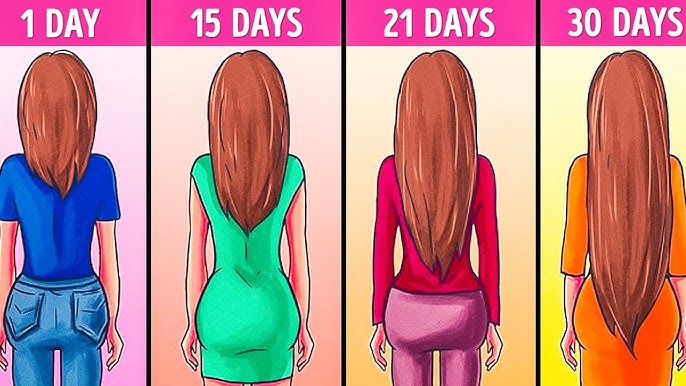
Can hair grow two inches in a month? No. Hair typically grows about half an inch per month, so prioritising length retention is more effective than chasing rapid growth.
How can I get long hair in seven days? You can’t gain significant length in a week, but improving moisture, reducing heat, and handling hair gently can help preserve the length you already have.
Final Thoughts
Hair growth isn’t about shortcuts or overnight results. It’s built through consistency, patience, and protecting the length you grow. Start with a manageable routine, track progress realistically, and if you notice excessive shedding or sudden changes, consult a professional to explore possible underlying causes.