

Despite the name, hair botox has nothing to do with botulinum toxin injections or cosmetic wrinkle treatments. It’s primarily a deep-conditioning hair treatment designed to repair, smooth, and nourish damaged hair strands rather than chemically relax the hair like some keratin treatments. The “botox” label is a marketing term that draws a loose analogy to how facial botox smooths and rejuvenates skin — here it aims to smooth and rejuvenate hair instead.
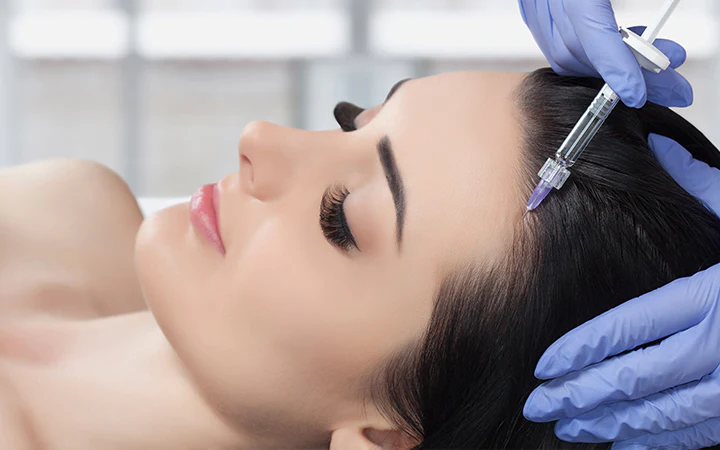
Unlike medical injections, hair botox is topical: a nutrient-rich formulation is applied directly to the hair shaft to fill in gaps at points of damage and restore hydration.
How Hair Botox Works
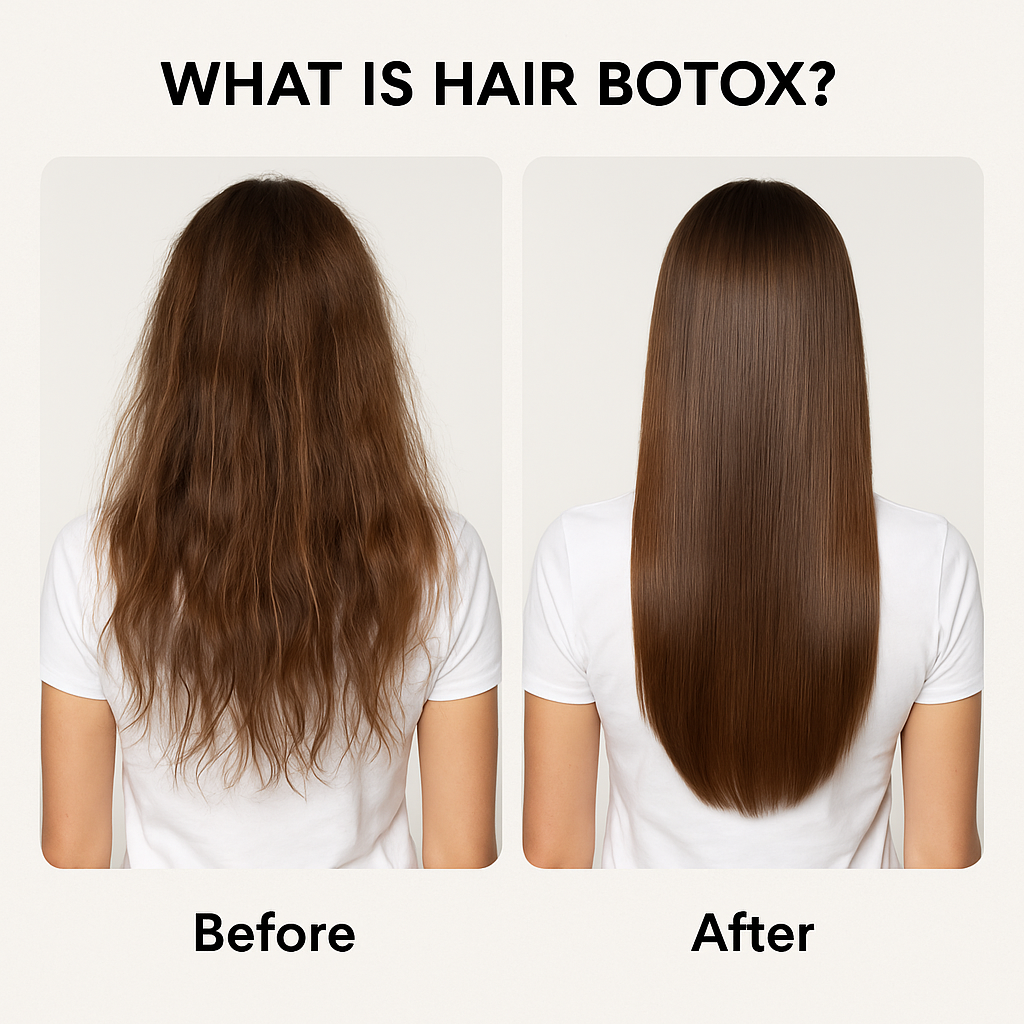
- The hair is first washed so the cuticles open up.
- A botox-style hair mask or product loaded with proteins, vitamins, collagen, and nourishing oils is massaged into the strands.
- The treatment is left on for a set time (often 20–90 minutes).
- Hair is rinsed, dried, and sometimes sealed with heat to lock in the formula.
- The result: hair that’s smoother, shinier, and more manageable.
Ingredients commonly found in hair botox formulations include vitamin B5, vitamin E, collagen complexes, keratin, and essential oils — all chosen to help fill and coat hair fibers rather than chemically change their structure.
Benefits Reported by Users
Hair botox is mainly about appearance and texture improvements:
Reduces frizz and dryness: The treatment smooths cuticles and helps tame unruly hair.
Adds shine and softness: Deep conditioning leaves hair looking glossy and feeling softer.
Improves manageability: Many people find their hair easier to style and brush after treatment.
Can make hair appear fuller: By coating strands and filling tiny gaps, hair can look more voluminous.
Helps with damage: Treatments can temporarily strengthen weakened or brittle hair, especially from heat styling or chemical treatments.
Most professional results last about 2–4 months, though timing varies with hair type and care routines.
Side Effects & Considerations
Because hair botox products are often rich formulations rather than toxins, they’re generally considered safe for most hair types. However:
- Some people may experience scalp irritation or itchiness, particularly if sensitive to certain ingredients.
- Poor-quality products can contain chemicals that may lead to hair weakness or breakage over time.
- Not everyone sees dramatic results; effects can vary — and improvements are temporary, not permanent.
Unlike treatments involving actual botulinum toxin (which are used rarely and in clinical settings), the topical hair botox treatments you see in salons or at home are non-invasive and do not involve injections into the scalp.
Hair Botox vs. Other Treatments
Hair Botox vs. Deep Conditioner:
Hair botox is more intense than a typical conditioner. It coats and fills strands more deeply than regular conditioning products, giving longer-lasting smoothness and shine.
Hair Botox vs. Keratin Treatment:
- Keratin treatments focus on straightening and frizz reduction, often using formaldehyde or similar compounds.
- Hair botox is more about repair, moisture, and texture enhancement — with less emphasis on straightening.
Keratin results may last slightly longer, but hair botox is seen as a gentler, deep-conditioning alternative.
Who Might Benefit Most?
Hair botox is typically recommended for people with:
- Frizzy or dry hair
- Damaged or heat-stressed strands
- Fine, limp hair needing more volume
- Split ends or brittle tips
It can also be helpful for curly or textured hair that struggles with moisture and manageability.
Hair botox is a deep-conditioning hair treatment that aims to revitalize dry, frizzy, or damaged hair by infusing it with nourishing ingredients rather than injecting botulinum toxin. Its main effects are smoother, softer, and healthier-looking hair, with results usually lasting a few months — but it’s not a medical cure for hair loss or scalp conditions. The quality of the product and expert application can make a big difference in outcomes.