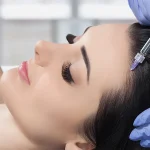


Mesotherapy is a non-surgical cosmetic procedure that involves injecting a mixture of vitamins, minerals, growth factors, hormones, plant extracts or other compounds directly into the scalp or skin layer just below it. It’s often marketed for hair growth, improved circulation, and scalp nourishment.
How It’s Supposed to Work
Proponents suggest that mesotherapy may:
- Deliver nutrients directly to hair follicles, potentially improving follicle health.
- Boost blood circulation in the scalp, which some believe could support hair growth.
- Include ingredients like minoxidil or anti-DHT agents that in other forms have known activity against hair thinning.
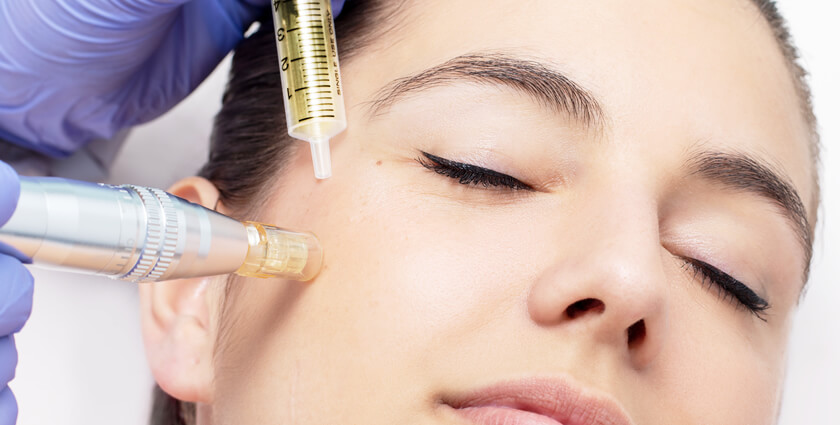
In practice, a customized “cocktail” is injected via tiny needles across affected scalp areas in a series of sessions.
What Evidence Says
Limited Scientific Support
There is very limited clinical research showing that mesotherapy definitively promotes hair regrowth. High-quality, controlled studies in medical journals are scarce, and the existing literature on mesotherapy for hair loss is not sufficient to conclusively prove effectiveness.
One critical commentary on mesotherapy for androgenetic alopecia (pattern baldness) found almost no documented clinical evidence of benefit in reputable medical journals. The review highlighted that many of the ingredients used in mesotherapy mixtures lack proven mechanisms or therapeutic data.
Scientific Reviews Raise Doubts
Systematic reviews of mesotherapy note potential side effects and conclude that the available evidence does not definitively support mesotherapy as a reliable hair-loss treatment, and some reports even document adverse events such as temporary scalp damage or paradoxical hair shedding following injections.
What Some Clinics and Articles Claim
Many dermatology-led websites and cosmetic clinics describe mesotherapy as helpful for reducing hair loss or improving scalp health, often citing improvements in scalp circulation or the benefits of delivered nutrients. These claims are typically based on anecdotal reports or clinic-level experience, not strong clinical trials.
Some practitioners also promote mesotherapy combined with known treatments like minoxidil or platelet-rich plasma (PRP), which do have more supportive evidence in the literature when delivered appropriately.
Safety, Risks, and Side Effects
Mesotherapy is generally considered a minimally invasive, outpatient procedure, but risks exist:
- Mild pain, redness, swelling or itching at injection sites are common.
- Rarely, mesotherapy has been associated with unexpected hair loss or scalp reactions.
- Because formulations are often unstandardized, they may vary widely in safety and effectiveness.
Importantly, mesotherapy for hair loss is not universally regulated or standardized, and outcomes can differ depending on who’s administering it and what is injected.
Expert Perspective
- Medical dermatologists caution that most hair-loss experts consider mesotherapy not a first-line, evidence-based treatment due to lack of reliable clinical data.
- Established treatments for pattern hair loss — like topical minoxidil, oral finasteride, and PRP — have a stronger scientific foundation.
Mesotherapy may offer subjective benefits for some patients, particularly in terms of scalp health or nutrient delivery. However:
There is limited clinical evidence that it actually regrows hair.
Some users and clinics report positive outcomes anecdotally, but these are not proven in robust studies.
It’s not regulated consistently, so ingredients and techniques vary widely.
Mild side effects are common, and rare adverse events have been reported.
In short: mesotherapy is not widely accepted as a clinically proven hair-loss cure, though it might be used as a complementary measure. If you’re considering it, it’s wise to consult a qualified dermatologist or trichologist first to explore evidence-based options and discuss risks.