

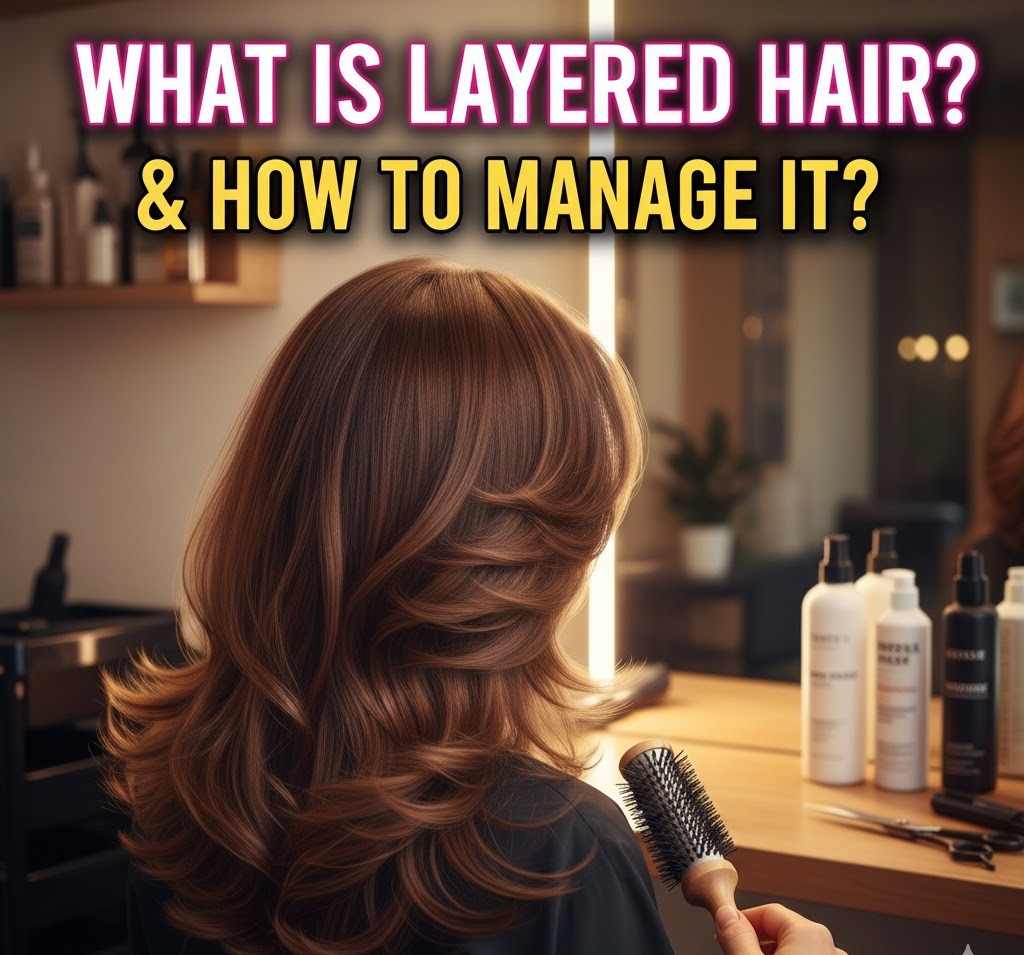

If you are a fan of the classic sitcom Friends, one thing that likely caught your attention was Jennifer Aniston’s iconic hair—widely known as the “Rachel cut.” That bouncy, voluminous look was one of the most popular styles of the ’90s, and the secret behind it remains just as relevant today: layers!
- 5 Popular Layered Hairstyles
- 8 Pro Tips to Maintain Layered Hair
- 1. Blow Dry Before Styling
- 2. Apply a Heat Protectant
- 3. Use the Right Tools
- 4. Apply a Volumizing Product
- 5. Use a Smoothing Product
- 6. Mix Up Your Style
- 7. Trim Your Hair Every Six Weeks
- 8. Use Moisture-Rich Hair Products
- 5 Best Products for Layered Hair (The Onion Range)
- Frequently Asked Questions (FAQs)
The true appeal of a layered hairstyle is that it is evergreen and flatters almost every hair type and length. If your hair is fine, layers add much-needed volume; if it’s thick, they add dimension and remove heavy, dragging bulk. It breathes incredible movement into flat hair.
However, layers do require some strategic maintenance as they grow out. If you ignore the upkeep, you might end up with scraggly, uneven ends. Fortunately, maintaining your layered hair is easy with the right routine and products.
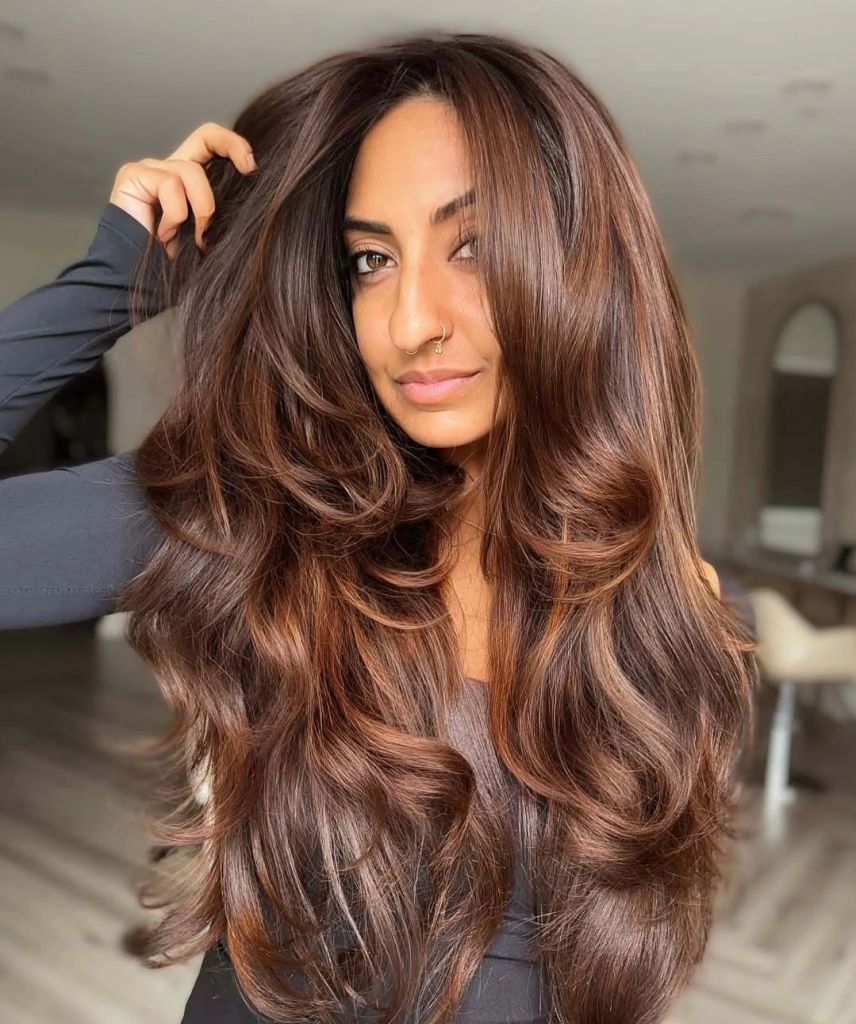
5 Popular Layered Hairstyles
Whether you have a pixie cut or waist-length tresses, there is a layered style for you:
- Face Framing Layers: If you have a bob or shoulder-length hair, adding curtain bangs or face-framing layers instantly opens up your face and highlights your bone structure.
- Choppy Short Layers: Want some edge? Go for dramatic, choppy layers. This bold style adds sharp definition and looks incredible on wavy or straight hair.
- Fringed Layers: Bangs are always on trend! Pairing blunt or wispy bangs with a layered cut creates a chic, classic silhouette.
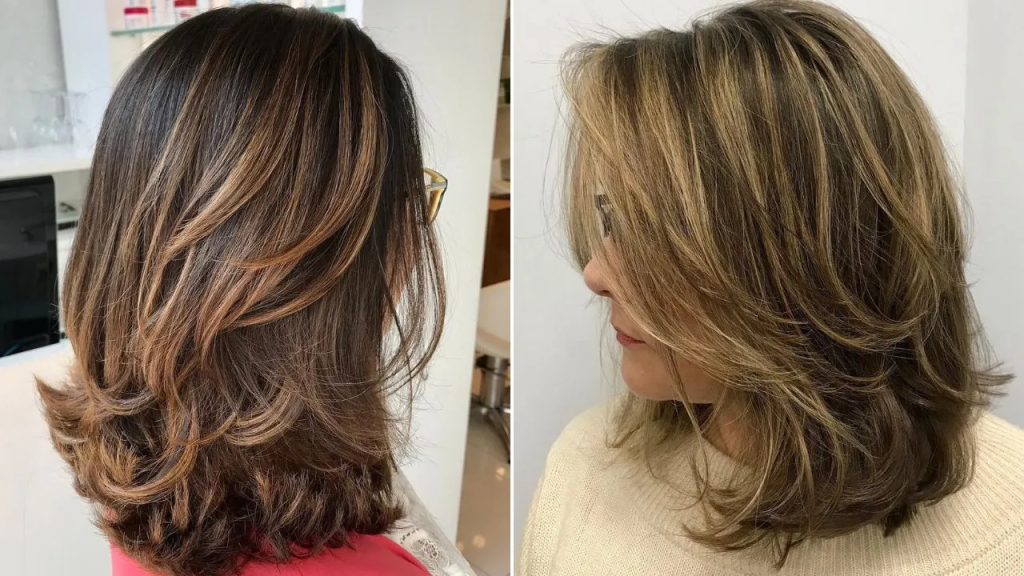
- Colored Layers: Adding highlights, balayage, or an ombre effect to a layered cut makes the different lengths pop beautifully.
- Messy Wavy Layers: Perfect for medium-to-long hair, this beachy, tousled look is effortlessly cool and works wonderfully with naturally wavy textures.
8 Pro Tips to Maintain Layered Hair
1. Blow Dry Before Styling
Blow drying is an excellent way to make your layers visible and voluminous. Pro tip: To get maximum root lift, start by flipping your head upside down to dry the underside first, then flip it back to finish the top lengths.
2. Apply a Heat Protectant
Blow dryers, flat irons, and curling wands use intense heat that can severely damage a layered cut by burning the hair cuticle. Always apply a reliable heat protectant to your damp strands before using hot tools. (Note: Apply to the hair shaft, not the scalp!)
3. Use the Right Tools
A layered haircut is rarely a “wash-and-go” style; you need the right brush. Wavy or frizz-prone hair benefits from a boar bristle brush, while straight-layered hair styles beautifully with a ceramic nylon-bristle brush. If your hair is curly, skip the brush and use a wide-toothed comb to prevent breakage.
4. Apply a Volumizing Product
While layers naturally add volume to fine hair, a volumizing mousse or root-lift spray truly brings out the cut’s beauty. (If you already have very thick hair, you can skip this step to avoid looking overly poofy).
5. Use a Smoothing Product
Frizz can quickly make a layered haircut look messy and unkempt. Combat flyaways by applying a lightweight smoothing serum or non-sticky hair oil strictly to the mid-lengths and ends.
6. Mix Up Your Style
Maintenance doesn’t need to be boring. Simply flipping your hair part to the opposite side can completely transform your appearance and add instant volume!
7. Trim Your Hair Every Six Weeks
The catch with layered hair is that the different lengths grow at slightly different paces. To ensure your layers keep their sharp definition and to prevent split ends from traveling up the hair shaft, get a micro-trim every 4 to 6 weeks.
8. Use Moisture-Rich Hair Products
The foundation of a great hairstyle is healthy, hydrated hair. Use a moisture-laden shampoo, a rich conditioner, and a deep-conditioning hair mask at least once a week to keep your layers nourished.
5 Best Products for Layered Hair (The Onion Range)
If you are looking for a cohesive routine to keep your layers healthy, Mamaearth’s Onion Hair Range is packed with sulfur and botanical extracts designed to tame frizz, reduce hair fall, and soothe the scalp.
- Onion Hair Oil: A potent blend of Onion Seed Oil (rich in sulfur for hair strength), Almond Oil, Castor Oil, and Redensyl—a cosmetic ingredient formulated to improve hair thickness and follicle health.
- Onion Shampoo: A sulfate-free cleanser featuring Onion extract and Plant Keratin, a protective protein that provides intense conditioning and detangling without stripping your natural oils.
- Onion Conditioner: Seals the hair cuticle after washing. It features Coconut triglycerides and Sweet Almond Oil (packed with healthy Omega-3 fatty acids) to leave your layers soft and manageable.
- Onion Hair Mask: For your weekly deep-conditioning treatment. It utilizes Organic Bamboo Vinegar and Rosemary Oil to stimulate the scalp and repair environmental damage.
- Onion Hair Serum: A silicone-free must-have for styling. It features Biotin (Vitamin B7) and Olive Oil to keep your layers neat, sleek, and frizz-free.
Frequently Asked Questions (FAQs)
How do I curl layered hair? Section your hair based on the length of the layers. Apply a heat protectant, then use a curling iron or wand to wrap the hair away from your face. Curling in different directions can also add a more natural, tousled texture.
How can I grow out layered hair faster? While hair grows at a fixed biological rate (about half an inch per month), you can support optimal growth by maintaining excellent scalp health, eating a balanced diet, and using stimulating ingredients like rosemary or onion oil to prevent premature breakage.
How long does a layered hairstyle last? Because the different sections grow at different speeds, most layered styles lose their intended shape after about six weeks. Regular maintenance trims are highly recommended.
Also Read : Vitamin C for Hair: Benefits and Uses