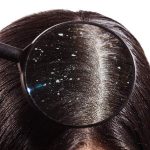

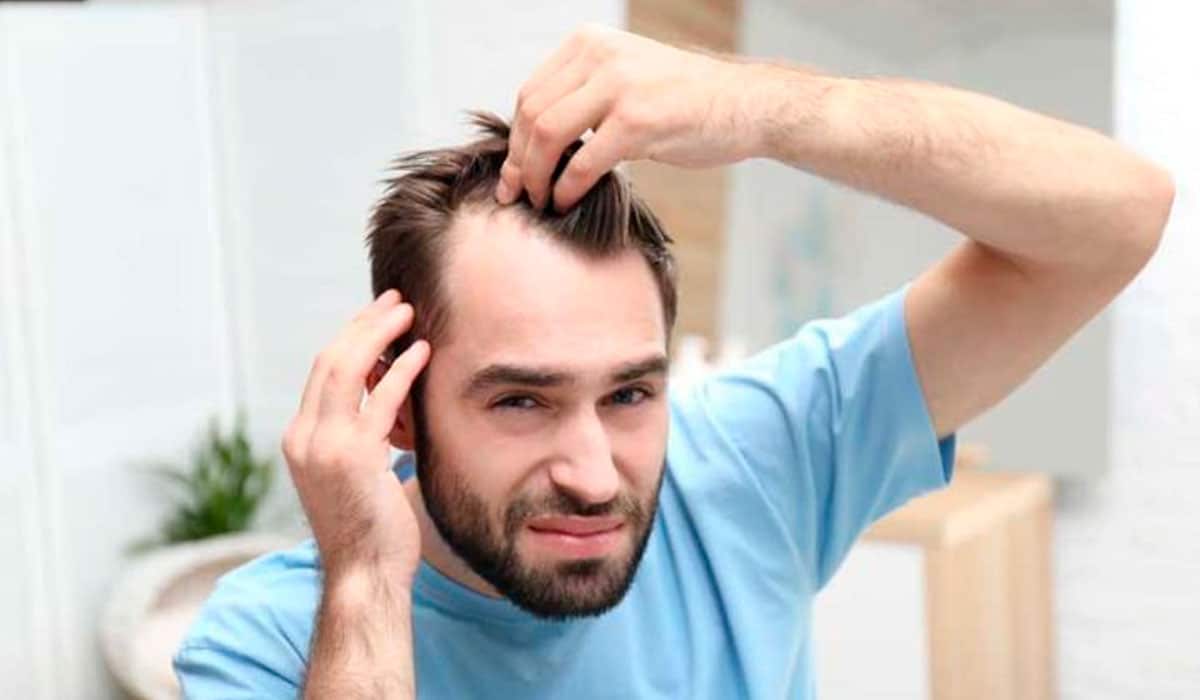

Seeing hair thinning or bald patches long before you expected? That’s what people mean by premature baldness — hair loss happening too early, like in your late teens, 20s, or early 30s, instead of later in life. While losing a bit of hair every day (about 50–100 strands) is normal, significant or visible hair thinning at a younger age is a sign that something else might be going on.
- What Is Premature Baldness?
- Common Causes of Premature Baldness
- 1. Hormonal Changes & DHT Sensitivity
- 2. Genetics
- 3. Autoimmune Conditions
- 4. Stress & Telogen Effluvium
- 5. Medical Conditions
- 6. Behavioral Factors
- 7. Hairstyling & Damage
- 8. Other Lifestyle Influences
- Is Premature Baldness Permanent?
- Treatment Options
- Tips to Prevent or Slow Balding
What Is Premature Baldness?
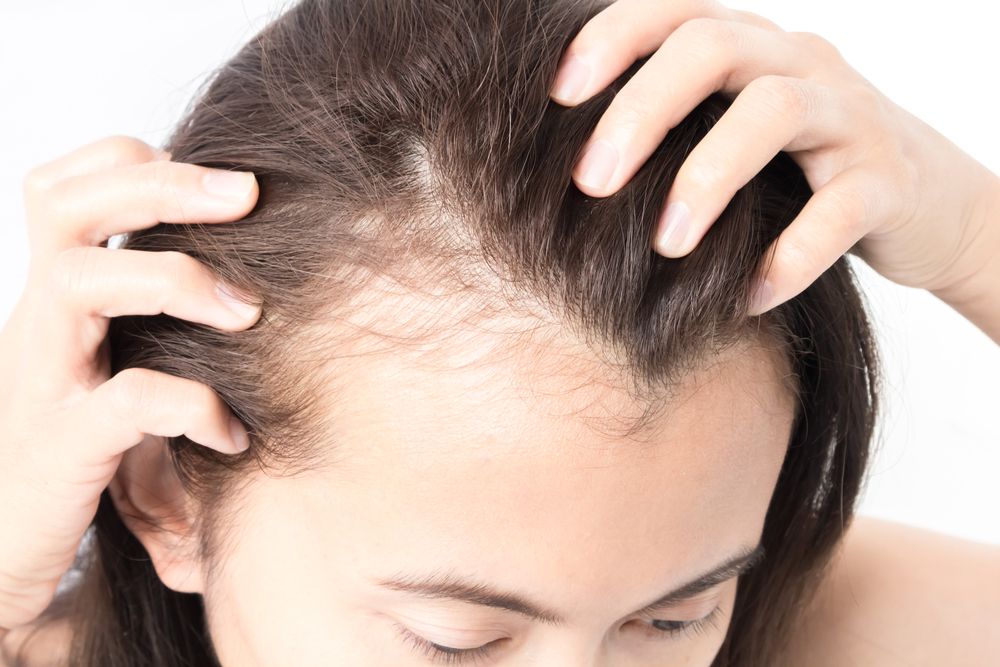
Premature baldness refers to early or accelerated hair loss that’s more than what’s typical for your age. Usually, hair grows in cycles: a growth phase (anagen) followed by a resting phase (telogen). If hair enters the resting phase too soon or doesn’t regenerate properly, hair loss speeds up and leads to thinning or bald spots.
The first signs often include:
- Hair thinning on the temples and frontal scalp
- Receding hairline
- Scalp becoming visible through thinning hair
- Sudden increases in hair falling out during brushing or washing
- Occasional scaly or inflamed patches on the scalp
Common Causes of Premature Baldness
1. Hormonal Changes & DHT Sensitivity
A major driver is an increase in dihydrotestosterone (DHT), a hormone that shrinks hair follicles and speeds up hair loss — especially in male-pattern baldness. Over time, this miniaturization stops healthy hair growth altogether. Both men and women can be sensitive to DHT, though it’s more common in men.
2. Genetics
Your family history plays a huge role. If close relatives experienced early hair loss, you’re more likely to see it too — often in similar patterns like receding temples or crown thinning.
3. Autoimmune Conditions
Disorders like alopecia areata (when the immune system attacks hair follicles) and lupus can trigger unpredictable or patchy hair loss. These conditions may affect men and women and don’t always follow pattern baldness rules.
4. Stress & Telogen Effluvium
High physical or emotional stress can push hair follicles prematurely into a shedding (telogen) phase, causing noticeable hair loss months later. While this is usually temporary if the stressor is managed, it can accelerate early thinning.
5. Medical Conditions
Thyroid imbalance (both hypo- and hyperthyroidism) can disrupt the hair growth cycle, leading to significant loss that can often be reversed with treatment.
6. Behavioral Factors
Some people develop trichotillomania — an urge to pull their hair — which physically damages follicles and causes bald spots over time.
7. Hairstyling & Damage
Excessive use of hot tools (straighteners, curlers), tight styles, bleaching, and chemical treatments can weaken hair or inflame follicles, contributing to premature hair loss.
8. Other Lifestyle Influences
Poor diet (especially low iron, zinc, and protein), smoking, pollution exposure, and inadequate sleep can also worsen hair thinning by harming follicle health and reducing nutrient supply to the scalp.
Is Premature Baldness Permanent?
It depends on the cause:
- Reversible hair shedding (like telogen effluvium due to stress or illness) often regrows once the trigger is removed.
- Genetic or hormonal pattern baldness is generally progressive and harder to reverse on its own, though treatments can slow or partially restore hair.
Treatment Options
Medical Treatments
- Minoxidil (topical): Widely used to stimulate hair growth.
- Finasteride (oral, for men): Reduces DHT effects.
- Steroid injections: Sometimes used in patchy autoimmune hair loss.
- A doctor typically diagnoses the cause through scalp exams, hormone checks, and blood tests.
Hair Transplant Surgery
In cases where medical treatments aren’t effective, transplant surgery can relocate healthy follicles to thinning areas. This is more expensive but often yields noticeable results.
Home & Natural Support
Remedies like hibiscus, onion juice, coconut oil, or rosemary may support scalp health and slow shedding, though evidence is limited. Good nutrition, stress management, and gentle hair care always help overall hair health.
Tips to Prevent or Slow Balding
- Catch early signs — early treatment works best.
- Eat a balanced diet rich in protein, iron, and micronutrients.
- Avoid tight hairstyles and excessive heat/chemical styling.
- Manage stress with exercise, sleep, and mindful practices.
- Treat underlying conditions like thyroid or autoimmune diseases.
Premature baldness isn’t just “early aging” — it’s usually a sign of underlying factors that range from hormones and genetics to stress and lifestyle. While some types are hard to stop completely, many can be slowed, managed, or even partially reversed if addressed early with the right approach.