
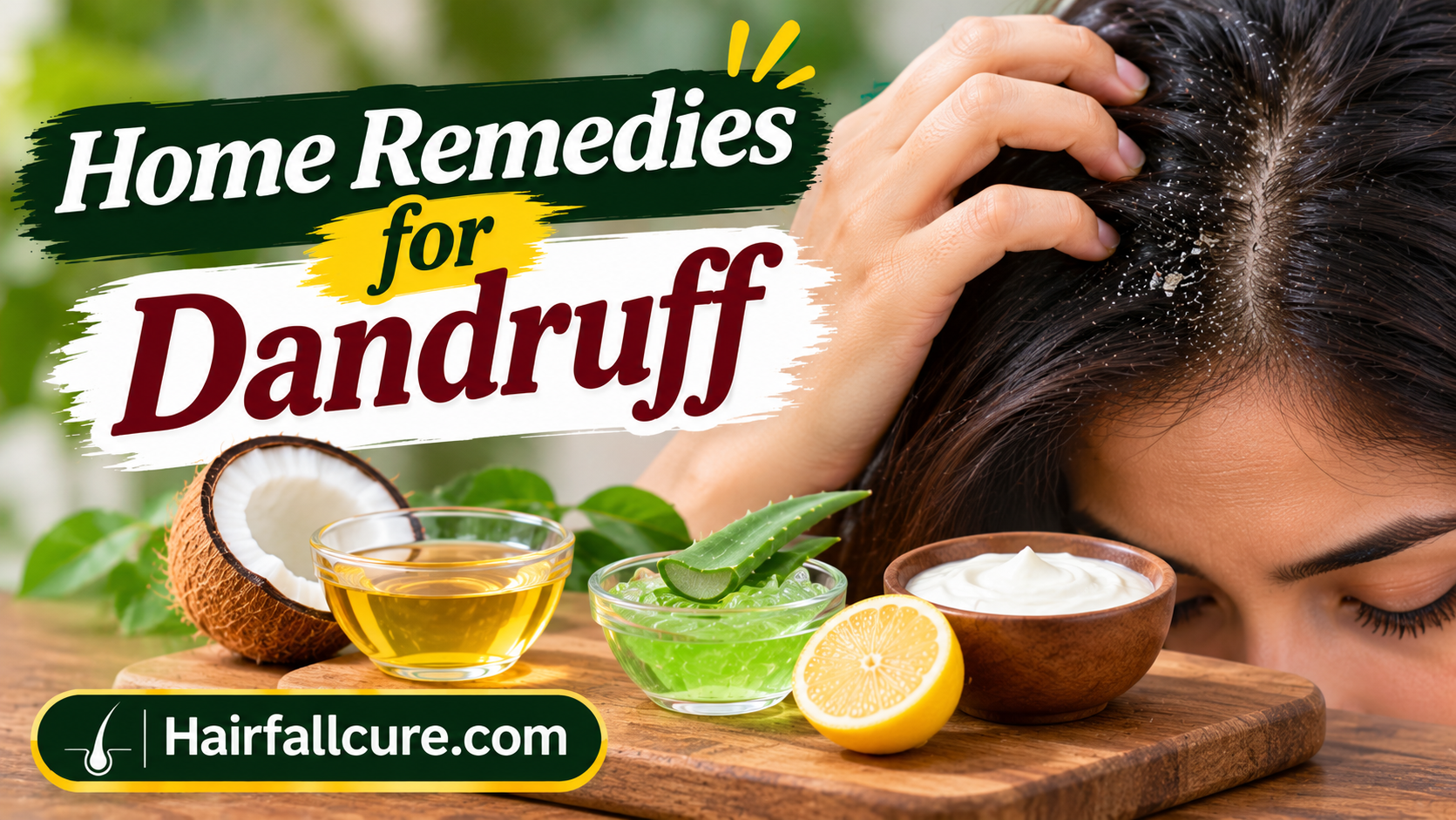

Dandruff is a very common skin condition that causes flaky, dry, and itchy skin on the scalp. While it is usually harmless, it can be bothersome, uncomfortable, and sometimes difficult to manage. Understanding what triggers these flakes can help you find effective solutions to restore a healthy scalp.
What Causes Dandruff?
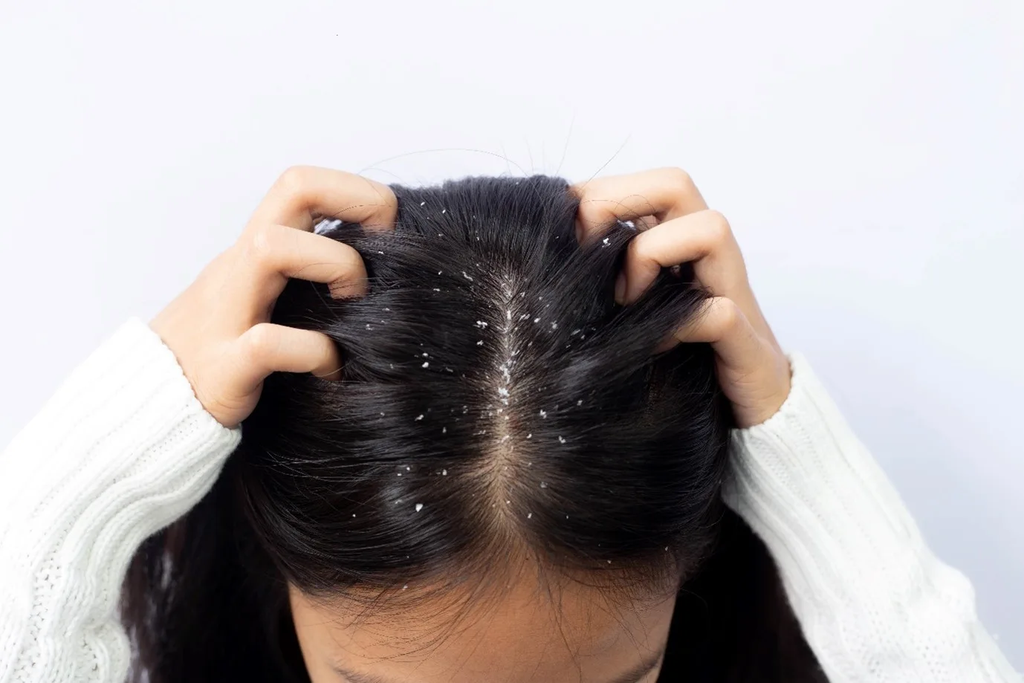
One of the primary causes of dandruff is the overgrowth of a naturally occurring scalp fungus called Malassezia, which feeds off the scalp’s natural oils and causes flakiness. Additional triggers include excessive dryness, contact dermatitis from hair products, stress, excess sebum production, or underlying skin conditions like psoriasis and eczema. Symptoms can vary from mild to severe depending on the root cause.
Home Remedies
There are several natural options for managing flakiness using items you might already have at home:
- Apple Cider Vinegar: Acidic in nature, ACV helps balance scalp pH and reduce fungal growth, though it must be diluted to avoid worsening dryness.
- Baking Soda: Known for its gentle exfoliating and natural antifungal properties, baking soda can be messaged directly onto wet hair for 2 minutes before rinsing.
- Aloe Vera: Offers soothing anti-inflammatory and antifungal properties to ease scalp irritation.
- Tea Tree Oil: Possesses potent antifungal and antimicrobial benefits, though it should be diluted with a carrier oil like coconut or jojoba oil to prevent irritation.
- Coconut Oil: Nourishes and hydrates the scalp while improving the skin’s natural barrier, though it may not suit every hair type.
- Neem: Acts as a powerful natural treatment due to its antifungal and anti-inflammatory attributes when diluted with an appropriate carrier oil.
- Olive Oil: Temporarily reduces dryness and itchiness, though it can potentially feed the fungus if used improperly.
- Fenugreek (Methi): A traditional remedy made by soaking seeds overnight and blending them with curd into a soothing scalp mask.
- Omega-3: Helps protect the skin’s natural barrier and reduce scalp irritation from within.
- Yogurt: Contains lactic acid for gentle exfoliation of dead skin buildup along with prebiotics that support the scalp microbiome.
- Lemon Juice: Balances scalp pH, controls excess oil, and fights microbes, but should always be patch-tested and diluted.
- Coconut Oil with Lemon: Combines moisturization and anti-inflammatory action with gentle exfoliation.
- Lemongrass Oil: Research shows tonics containing lemongrass oil can significantly reduce dandruff thanks to their antimicrobial properties.
Prevention
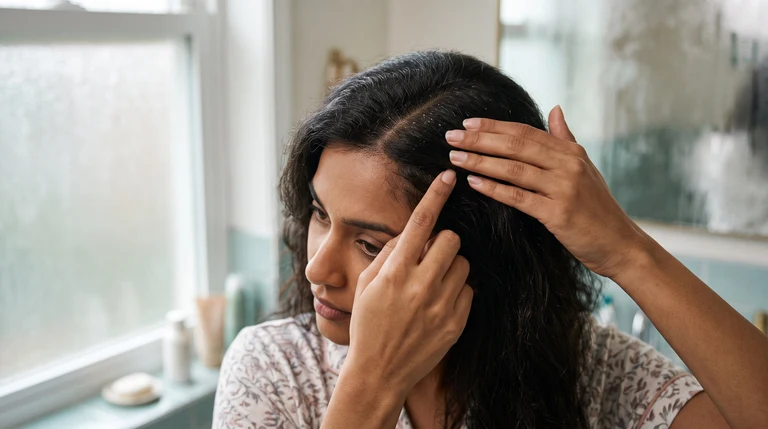
Maintaining a healthy scalp environment is the best defense against recurring flakes. Key preventive measures include:
- Stress Management: Practice yoga, take relaxing walks, or incorporate light exercise to prevent stress from compromising your immune system and aggravating symptoms.
- Massaging Your Scalp: Regular massages boost blood supply, remove dead skin cells, and enhance healing.
- Healthy Diet: Eat a well-balanced diet rich in omega-3s (like salmon and walnuts), zinc, and vitamins A and C to nourish your scalp.
- Brushing Your Hair: Gently brush damp hair twice a week to remove dead skin and distribute natural oils evenly without causing irritation.
When To Consult?
If natural remedies fail to provide lasting relief, it is time to consult an expert. Seek immediate advice from a certified dermatologist if you experience severe redness, swelling, chronic flakes, or itchy patches on other parts of your face and body.
Treatments
While home remedies offer temporary comfort, advanced clinical treatments provide targeted, scientifically proven solutions. Professional procedures—such as specialized Scalp Refine Treatments utilizing medical-grade serums—rebalance the scalp microbiome, control inflammation, and ensure safe, long-term results without the risk of irritation associated with unsupervised home treatments.
Alos Read : Tamarind Salmon Curry Recipe For Hair-Boosting