

India has a notoriously hot and humid climate. Coupled with excessive urban pollution, it creates a perfect storm for severe hair care issues.
When hair starts falling out, most people panic-search for quick solutions or grab the first “anti-hair fall” bottle they see on the shelf. Unfortunately, many of these commercial products are packed with harsh toxins that only make the issue worse. Merely searching online for “which shampoo is best for hair fall” will not solve your problem if you do not understand your specific hair type and the root cause of your shedding.
It hurts to watch your hair fall out from the roots, but you are not alone. Here is a candid, expert-backed guide to understanding what causes hair fall, why you need to ditch sulfates, and how to choose the exact right shampoo for your scalp.

Understanding the Root Causes of Hair Fall
Before changing your shampoo, you must understand what is actually causing your hair to shed. According to the American Academy of Dermatology (AAD), hair loss is a complex condition triggered by a mix of internal and external factors:
- Environmental Stressors: High humidity, dust, and pollution clog the hair follicles.
- Internal Factors: Hormonal imbalances, rapid weight loss, thyroid issues, and genetics.
- Lifestyle Choices: High stress, poor protein intake, and heat styling.
- Scalp Conditions: Severe dandruff and fungal infections weaken the roots.
Did you know? Hair loss often affects more women than men due to complex hormonal fluctuations (like postpartum changes or menopause) that disrupt the natural hair growth cycle.
Why You Must Switch to Sulfate-Free Shampoo
Increased environmental humidity clogs the pores on our scalp and makes hair frizzy. When you wash your hair with traditional shampoos containing harsh sulfates (like SLS), it completely strips your scalp of its natural sebum.
Dermatologists highly recommend switching to a sulfate-free shampoo. These gentle cleansers remove dirt, excess oil, and pollution without disrupting your scalp’s natural pH or moisture barrier. They lessen hair roughness and protect the hair shaft from environmental damage.+1
The Best Anti-Hair Fall Shampoos by Hair Concern
To make your decision easier, here are our top-rated, toxin-free, and MadeSafe-certified shampoos, categorized by the specific hair issue they solve.
| Shampoo Formulation | Key Ingredients | Best For |
| Onion Shampoo | Onion Seed Oil, Plant Keratin | Overall Hair Fall & Thinning. Sulfur and potassium boost blood supply to follicles, while keratin thickens hair from the inside out. |
| Tea Tree Shampoo | Tea Tree Oil, Ginger Oil, Vitamin E | Dandruff & Itchy Scalp. Features antibacterial properties to clear fungal dandruff without drying out the hair roots. |
| Rice Water Shampoo | Fermented Rice Water, Wheat Protein | Dry, Damaged & Frizzy Hair. High protein content repairs split ends, prevents brittleness, and restores elasticity. |
| BhringAmla Shampoo | Bhringraj, Amla, Shikakai, Brahmi | Intense Ayurvedic Repair. Vitamin C-rich herbs deeply nourish roots, delay premature graying, and fight free radical damage. |
How to Build a Complete Hair Fall Control Routine
A good shampoo is just one piece of the puzzle. To truly stop hair fall, you need a holistic regimen:
- Pre-Wash Nourishment: Massage a natural growth oil (like BhringAmla Hair Oil) into your scalp and leave it on overnight to stimulate blood circulation.
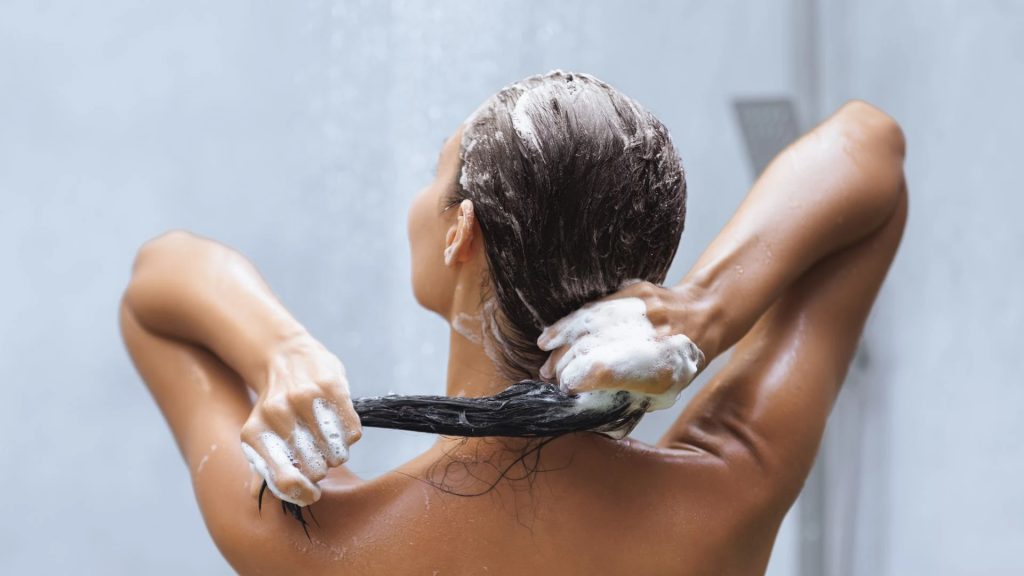
- Gentle Cleanse: Wash your scalp thoroughly with your chosen sulfate-free shampoo to remove buildup.
- Deep Conditioning: Apply a rich, toxin-free conditioner to the lengths of your hair. Once a week, swap your conditioner for an Onion Hair Mask to deeply repair structural damage.
- Post-Wash Protection: Apply a few drops of hair serum to damp hair to lock in moisture, reduce frizz, and prevent environmental damage throughout the day.
Frequently Asked Questions (FAQs)
Which shampoo is best for hair fall?
You should always opt for a sulfate-free, natural shampoo. Being free from harmful toxins ensures the product removes buildup without affecting the scalp’s natural pH. Mamaearth’s Onion Shampoo is highly recommended for controlling excessive hair fall.
Is it healthy to use shampoo every day?
The purpose of shampoo is to cleanse the scalp of dust, grime, and excess oil. However, over-washing with a chemically enriched shampoo can severely dry out your hair. It is best to wash your hair 2–3 times a week using a gentle, toxin-free formula.
What are the actual benefits of using shampoo?
Water alone cannot remove sticky sebum and pollution. Shampoo uses surfactants to bind to dirt, debris, and excess oil so they can be easily washed away, keeping your hair follicles unclogged and healthy.
Where exactly should you apply shampoo?
You should apply shampoo directly to your scalp, not the ends of your hair! Massage it into your scalp until it foams to remove root buildup. As you rinse, the suds will gently clean the lengths of your hair without drying them out.
Also Read : Which Vitamins Are Actually Best for Hair Growth? The Ultimate 2026 Guide