
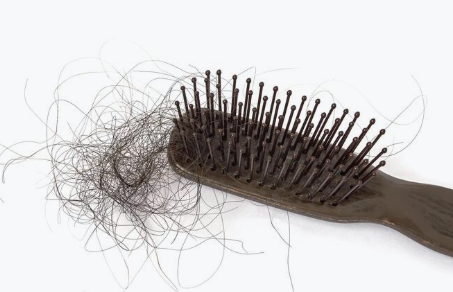

Hair oiling has been a trusted practice in India for centuries, and modern studies now support its effectiveness. In one study, 70% of participants who applied oil regularly for six months saw reduced hair fall and improved hair growth. Nourishing the scalp strengthens the roots, minimizes breakage, and encourages healthier growth. This is why dermatologists and hair experts consider oiling an essential step in any hair fall control routine.
The right oil hydrates the scalp and provides vital nutrients that protect against thinning. Ingredients like Bhringraj, Coconut Oil, and Castor Oil boost follicle activity, while clinically studied components such as Rosemary Oil and Caffeine support regrowth. Ayurvedic blends focus on natural herbs for holistic nourishment, while dermatologically formulated oils target hair loss at a cellular level.
Traya’s Scalp Oil combines Ayurveda, Dermatology, and Nutrition to create one of the best oils for hair growth and hair fall control. With ten potent herbs, it strengthens roots, improves scalp health, and promotes long-term hair vitality.
Top 10 Best Hair Oils for Hair Growth and Hair Fall Control
Castor Oil and Coconut Oil are widely recognized as two of the best oils for hair fall control and regrowth. They can be used alone or as base oils mixed with other potent ingredients for even better results. Below are the best oils that work individually or in combination for stronger, healthier hair.
1. Rosemary Oil
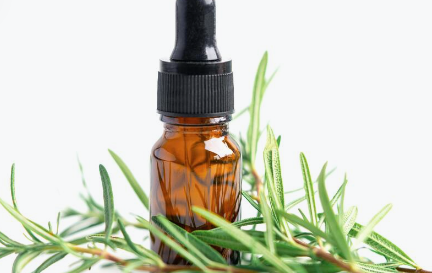
Rosemary oil improves blood circulation to the scalp, delivering essential nutrients to hair follicles. It helps stimulate growth, reduce dandruff, and calm irritation. A study found rosemary oil effective in promoting hair growth.
How to use:
Mix a few drops with a carrier oil like coconut or jojoba. Massage 2–3 times a week or add to shampoo.
Best for:
Early thinning, patchy hair loss, dry or flaky scalp.
2. Peppermint Oil
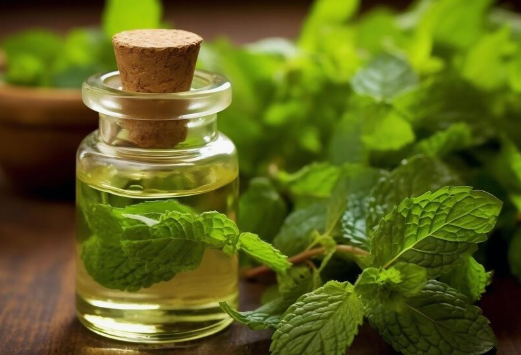
Peppermint oil increases blood flow to the scalp and may stimulate follicles. A 2014 study showed it promoted faster growth than minoxidil in just four weeks. It also has antimicrobial properties.
How to use:
Dilute in a carrier oil and massage for 15–20 minutes before rinsing.
Best for:
Buildup, sluggish scalp, early thinning.
3. Jojoba Oil
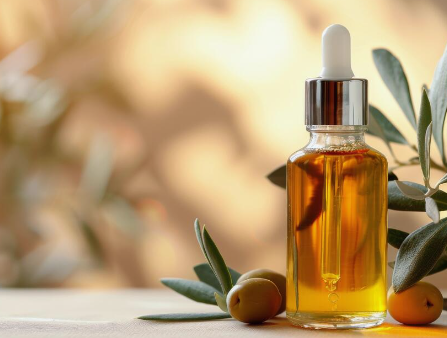
Jojoba oil is rich in vitamins and minerals that nourish the scalp. It doesn’t directly speed growth but creates the right environment by unclogging follicles and preventing dryness.
How to use:
Warm it and massage into the scalp. Leave overnight or 30 minutes before washing.
Best for:
Dry scalp, dandruff, brittle hair.
4. Amalaki (Amla)
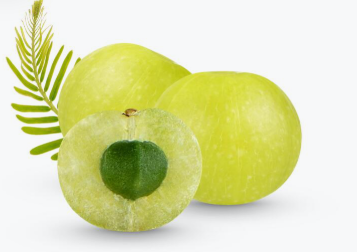
Amla is rich in antioxidants and vitamin C, boosting collagen levels needed for stronger, thicker hair. It nourishes the roots, strengthens the scalp, reduces dandruff, and prevents premature greying.
How to use:
Apply amla oil directly or use an amla powder mask.
Best for:
Hair fall, dullness, early greying.
5. Bhringraj
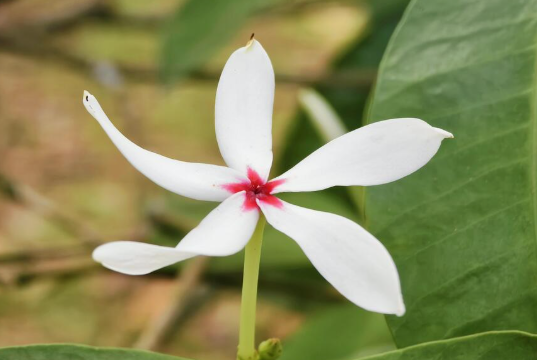
Bhringraj improves blood circulation and stimulates follicles. It has anti-inflammatory and cooling properties that reduce dandruff and prevent hair fall.
How to use:
Massage the oil into the scalp 1–2 times a week.
Best for:
Hair loss, scalp inflammation, early greying.
6. Argan Oil
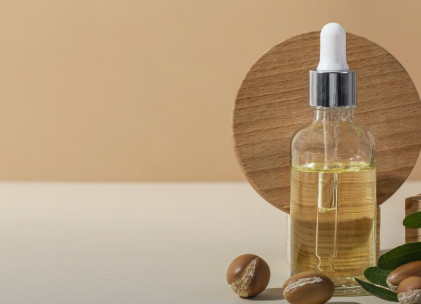
Argan oil contains essential fatty acids and antioxidants. It doesn’t directly trigger regrowth but prevents breakage, adds shine, and improves hair strength.
How to use:
Apply as a leave-in serum or mix with conditioner.
Best for:
Dry, frizzy, heat-damaged hair.
7. Hibiscus Oil
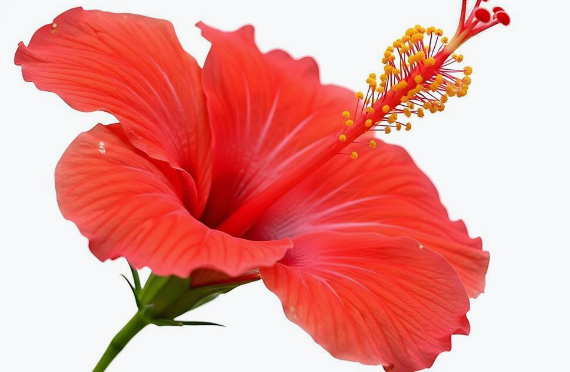
Hibiscus oil boosts circulation, stimulates dormant follicles, and prevents premature greying. It also strengthens the hair shaft.
How to use:
Warm and massage into the scalp. Leave on for 30 minutes before washing.
Best for:
Thinning, dullness, early greying.
8. Shatavari Oil
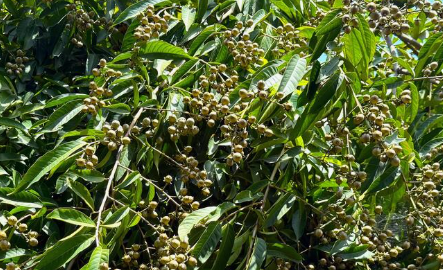
Shatavari contains antioxidants and phytoestrogens that reduce inflammation, support scalp health, and help with hormonal hair fall.
How to use:
Warm and massage into the scalp. Leave for one hour or overnight.
Best for:
Hormonal hair fall (postpartum, PCOS), weak hair.
9. Neem Oil
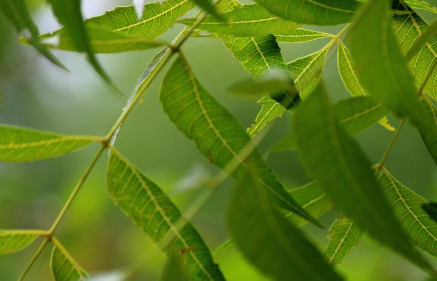
Neem oil cleanses the scalp, reduces dandruff, and unclogs pores. Its antimicrobial action helps follicles grow in a healthier environment.
How to use:
Mix with coconut or almond oil. Leave for 30–60 minutes before washing.
Best for:
Flaky scalp, itchiness, scalp infections.
10. Lavender Oil
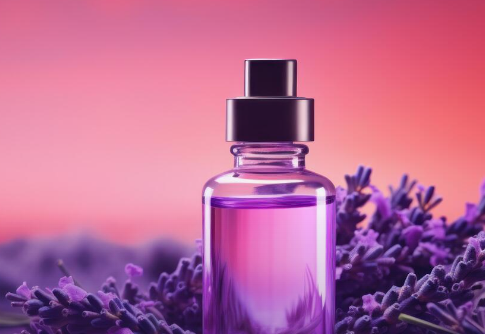
Lavender oil may improve hair growth by increasing circulation. It balances scalp oils, reduces dandruff, and supports stress-related hair fall.
How to use:
Mix with jojoba or coconut oil and massage for 30 minutes.
Best for:
Stress-related hair fall, irritated scalp.
How to Choose the Best Hair Oil for Your Hair Type
Your hair type and scalp condition determine which oil is best for you.
Straight & Oily Hair:
Jojoba, grapeseed oil (lightweight, non-greasy).
Wavy & Frizzy Hair:
Argan, almond oil (controls frizz, defines waves).
Curly & Dry Hair:
Coconut, olive oil (deep moisture and elasticity).
Coily Hair:
Castor oil, shea butter oil (intense hydration, prevents breakage).
Scalp Concerns:
Dry scalp: Coconut oil, tea tree oil
Oily scalp: Jojoba, peppermint
Thinning hair: Rosemary, pumpkin seed oil
Dandruff: Neem, tea tree oil
Always choose cold-pressed, pure oils. Avoid artificial fragrances and mineral oil.
Benefits of Using Traya Hair Oil
Traya Hair Oil blends Ayurvedic herbs with dermatologically backed ingredients to target hair fall and repair scalp damage.
It contains Bhringraj, ORPL, Wheat Germ, and Motia Rosha to revive dormant follicles, improve blood circulation, and reduce inflammation.
Key Benefits:
Hair fall control
Stronger and thicker hair
Improved scalp health
Supports regrowth
Key Ingredients:
Coconut Oil
Castor Oil
Camphor
Wheat Germ Oil
ORPL
Best used with Traya’s Hair Growth Regimen for holistic results.
How to Use Hair Oil for Maximum Growth and Hair Fall Control
Step 1: Warm the Oil
Helps deeper absorption.
Step 2: Massage Gently
Boosts blood circulation and follicle nourishment.
Step 3: Leave It On
Preferably overnight or at least 1–2 hours.
Step 4: Stay Consistent
Apply 3–4 times a week for visible improvement.