

We’ve all heard it: “Don’t pull out that white hair — it’ll make ten more grow back!” It’s one of those beauty myths that seems to follow us everywhere. But does it actually hold up to science? Let’s break it down in simple, honest terms.
Myth or Fact: Plucking a White Hair Causes More to Grow?
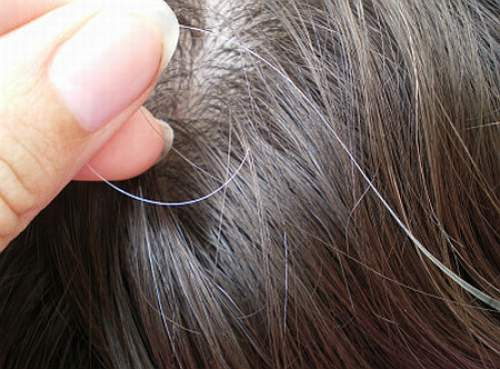
The short answer is no — pulling a white or grey hair does not cause more white hair to spring up around it. When you pluck a hair, you’re just removing that one strand. A new hair will eventually grow from the same follicle, but it usually comes back the same colour it would have been anyway — which, if it was already white, is because the pigment-producing cells in that follicle aren’t working anymore.
Each hair grows from its own tiny follicle, and plucking one doesn’t send a signal to the neighbouring hair follicles to change colour. So that scary idea that one pulled hair means many more is really just a myth that’s been passed down through the years.
So Why Do More White Hairs Appear Afterwards?
Here’s where psychology and timing play tricks on us. Greying hair doesn’t all happen at once — it’s a gradual process influenced by genetics, age, and other factors like nutrition or lifestyle. As time goes on, you naturally grow more white hairs.
So if you pluck one today and notice more white strands soon after, it’s not because you broke some rule of hair physics. It’s just that the greying process was already underway. Your hair follicles stop producing pigment (melanin) at different times, so over months or years you’ll see more silver streaks — whether you pluck or not.
But Plucking Isn’t Harmless
Even if it doesn’t make more white hairs grow, plucking still isn’t a great idea — especially if you do it repeatedly:
- Follicle damage: Constantly pulling hairs out can traumatise the hair follicle. If a follicle is injured enough times, it might stop producing hair altogether, leading to thinning spots or tiny bald patches.
- Infection risk: Every time you tug a hair out, you expose the follicle and skin to bacteria, which can lead to irritation or infection.
- Texture changes: The hair that grows back might feel coarser and wirier, simply because grey and white hairs often have less oil around their shafts, making them seem rougher by comparison.
Dermatologists often recommend cutting the strand instead of plucking if you really want it gone — that way you avoid stressing the follicle while still tidying up your look.
Why Hair Turns Grey in the First Place
Hair colour comes from pigment cells called melanocytes, which live in the hair follicle. As you age, these pigment cells gradually lose their ability to produce melanin — the substance that gives your hair its natural colour. When melanin production drops, the hair that grows out looks grey or white.
This process is mostly down to aging and genetics, though things like nutritional deficiencies, smoking, and, to some extent, stress can influence how early greys show up.
Once a hair turns grey or white because pigment production has stopped, that change is usually permanent for that strand. You won’t reverse it by plucking — only reshade it with hair colour products if you choose.
Plucking a white or grey hair doesn’t cause more white hairs to grow in that spot or nearby.
A new hair will usually grow back from the same follicle — often white again — because the pigment cells are already inactive.
Repeated plucking can harm the follicle, possibly leading to thinning or follicle damage over time.
Greying is natural and gradual, driven by ageing and genetics, not by tweezers.
So next time a stray grey shows up, you can put down the tweezers and rest easy — it’s just part of the story your hair tells as you get older. If you’re bothered by greys, cut them instead of plucking, or explore styling and colour options that work for you.