

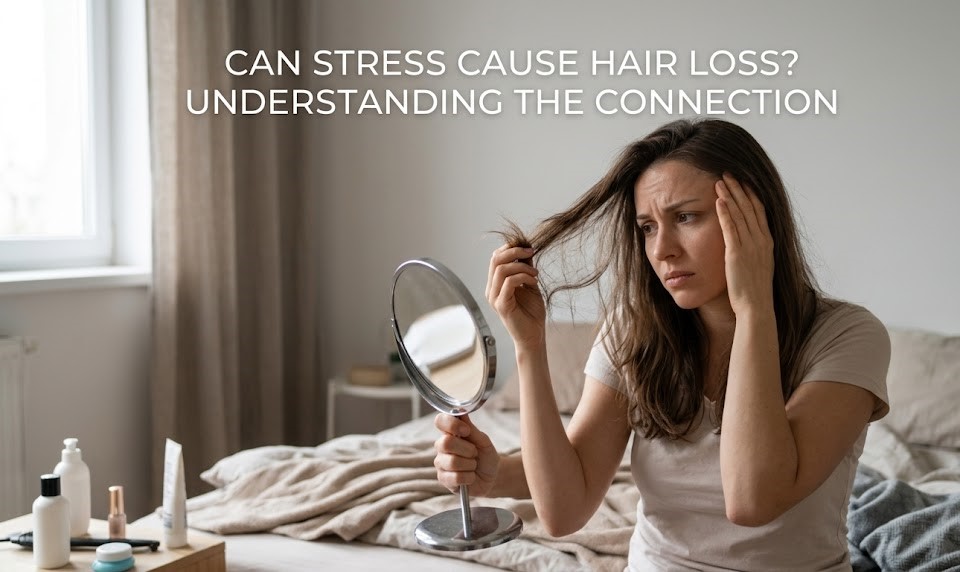

It is a common concern: after a period of high pressure at work or a personal crisis, you notice more hair than usual in your brush. According to Mayo Clinic experts, stress and hair loss are indeed related.
While most hair loss is hereditary, physiological or emotional stress can trigger specific types of shedding. The good news? In many cases, once the stressor is managed, the hair can grow back.
3 Types of Stress-Related Hair Loss
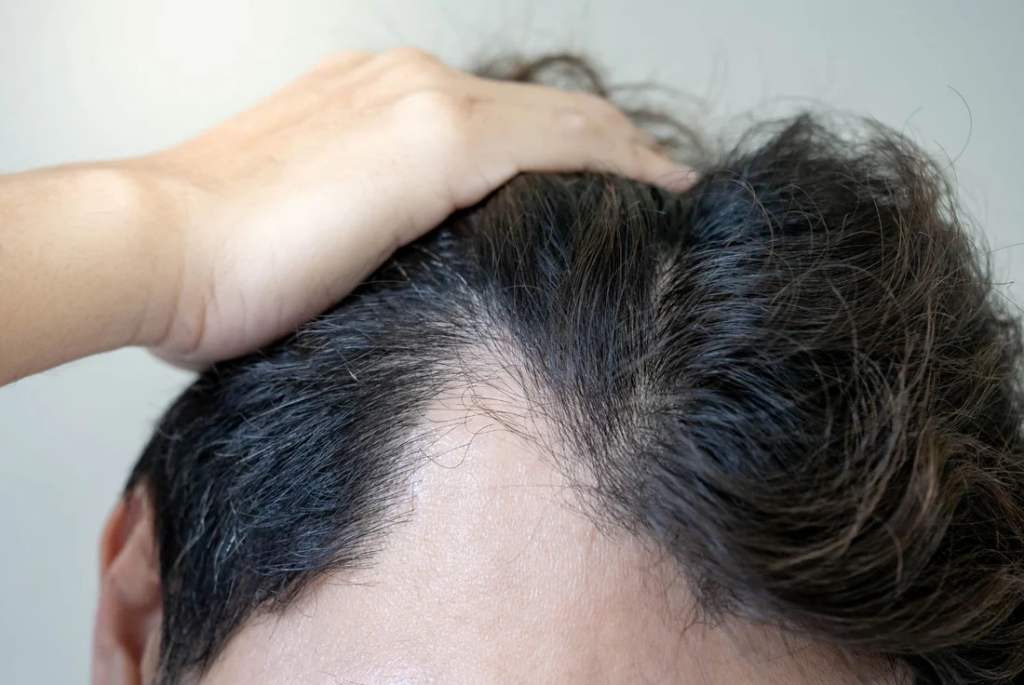
Stress impacts the hair cycle in different ways, ranging from hormonal shifts to behavioral responses.
1. Telogen Effluvium
This is the most common form of stress-induced shedding. Under significant stress, a large number of hair follicles are prematurely pushed into a “resting” phase (telogen).
- The Timeline: You typically won’t see the loss immediately. Instead, the hair falls out suddenly—often in handfuls—about two to three months after the stressful event occurred.
- The Recovery: Once the stress subsides, the follicles usually re-enter the growth phase.
2. Trichotillomania
Unlike shedding, this is a behavioral response. It involves an irresistible urge to pull out hair from the scalp, eyebrows, or other body areas.
- The Cause: It is often used as a coping mechanism to deal with negative or uncomfortable feelings like tension, frustration, or loneliness.
- The Treatment: Managing this type of loss usually requires a combination of behavioral therapy and stress management.
3. Alopecia Areata
In this condition, the body’s immune system mistakenly attacks the hair follicles. While genetics play a role, severe stress is considered a potential trigger for an outbreak.
- The Appearance: It usually results in patchy hair loss rather than overall thinning.
- The Mechanism: Stress may “prime” the immune system to become overactive, leading to the destruction of healthy hair cells.
When to See a Doctor
Sudden or patchy hair loss can sometimes signal an underlying medical condition, such as a thyroid imbalance or nutritional deficiency, rather than just stress. You should consult a healthcare professional if you notice:
- Sudden, rapid shedding.
- Bald patches in circular patterns.
- Scalp irritation or pain accompanying the loss.
Is it Permanent?
For most people dealing with stress-related shedding (specifically Telogen Effluvium), the hair loss is temporary. As you implement stress management techniques—such as exercise, meditation, or improved sleep—your hair cycle should eventually stabilize.
Also Read : High Porosity Hair: Meaning, Signs, and Care Tips