
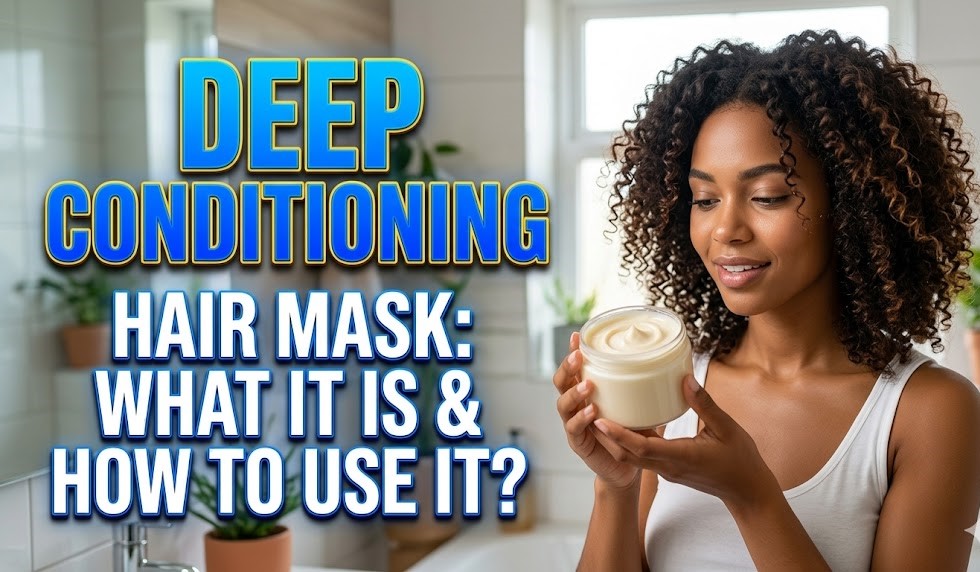

If your hair care routine is stuck in a “shampoo-conditioner-repeat” cycle but your locks still feel like straw, it might be time for a promotion. Ask any pro for a solution to dullness or breakage, and they’ll likely point you toward a deep conditioning hair mask.
Think of a hair mask as a high-powered, concentrated version of your conditioner. While conditioners work on the surface to smooth the cuticle, a mask is designed to penetrate deeper into the hair shaft and even nourish the roots. It’s not just a luxury; for many, it’s a necessary rescue mission for their strands.
What Exactly is a Hair Mask?
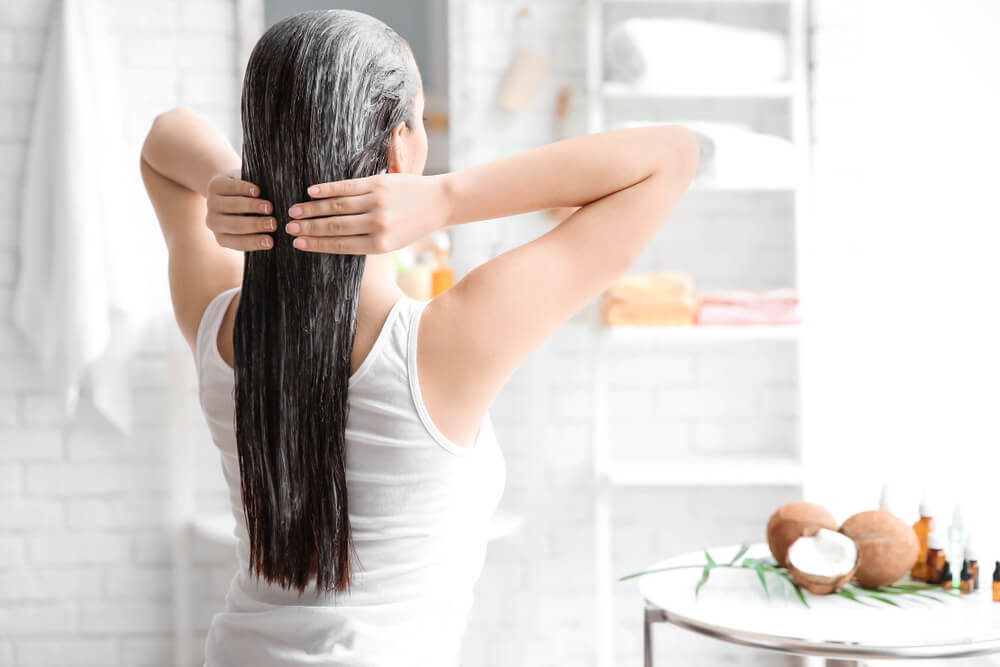
At its core, a hair mask is an intense repair treatment enriched with natural oils, proteins, and hydrating agents. Because the formula is much more concentrated than a daily conditioner, it stays on the hair longer (usually 20–30 minutes) to allow the ingredients to actually bond with the hair fiber.
Regular use can reverse damage caused by:
- Heat Styling: Blow-dryers, flat irons, and curling wands.
- Chemical Treatments: Coloring, perms, and chemical straightening.
- Environmental Aggressors: UV rays, pollution, and harsh winter winds.
Note: Conditioners are for every wash; masks are usually for a once-or-twice-a-week deep dive.
Why Your Hair is Begging for One
If you aren’t sure if you need a mask, look for these benefits that go beyond a standard wash:
- Shinier, Softer Texture: Natural oils condition the shafts without leaving a heavy residue.
- Moisture for “Lifeless” Locks: Ingredients like coconut oil help lock water inside the hair shaft.
- Reduced Breakage: Fatty acids help prevent protein loss, making hair more resilient.
- Frizz Control: Hydrating components keep “flyaways” at bay by sealing the hair’s outer layer.
- Improved Elasticity: By healing the strand from within, your hair can stretch without snapping.
Finding Your Match: Targeted Solutions
Different hair concerns require different ingredients. Here is a breakdown of how to choose a mask based on your specific needs:
The Problem-Solvers
| Hair Concern | Best Ingredient | Why It Works |
| Excessive Hair Fall | Onion Oil | Rich in sulfur to rebuild broken bonds and strengthen roots. |
| Frizz & Curls | Argan Oil | Deeply hydrates and adds a glossy sheen to coarse textures. |
| Oily Scalp & Build-up | Apple Cider Vinegar | Exfoliates the scalp and balances pH levels. |
| Dullness & Damage | Rice Water | Contains inositol to repair hair from the inside out. |
| Thinning Hair | Bhringraj & Amla | Ayurvedic staples that nourish follicles to promote thickness. |
Pro Tips: How to Use a Hair Mask Like a Stylist
Using a mask incorrectly is the #1 reason people don’t see results. Follow these steps for maximum absorption:
- Prep Your Strands: Most masks work best on clean, towel-dried, damp hair. However, if your mask is purely oil-based (like avocado oil), apply it to dry hair—oils are hydrophobic and absorb better without a water barrier.
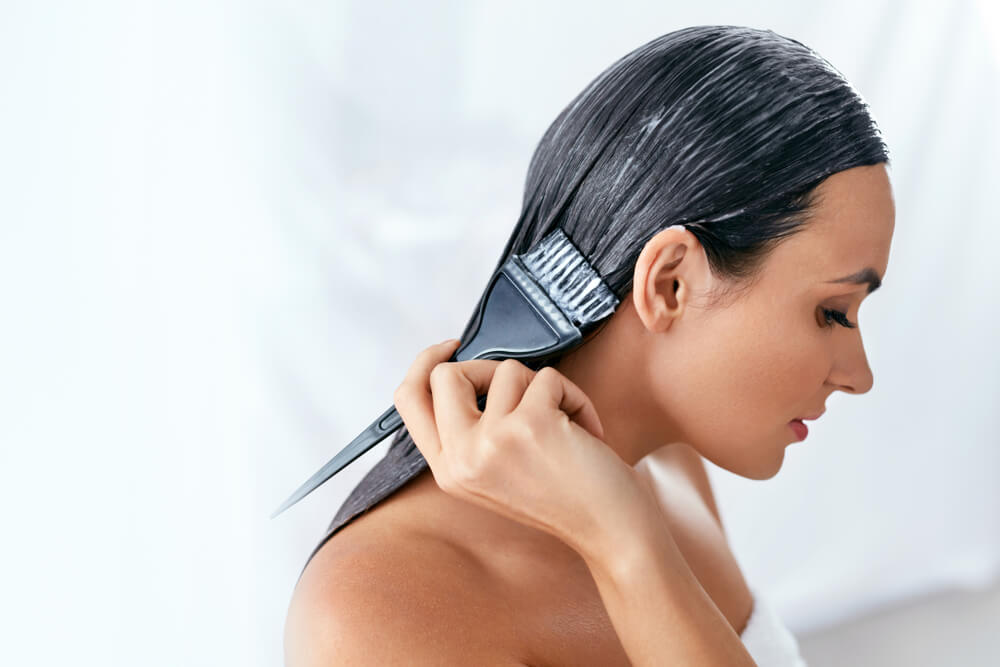
- Part and Conquer: Section your hair into two or four halves. Use your fingers or a wide-toothed comb to ensure every strand is coated from mid-length to the ends.
- Target the Trouble: * For Dandruff, focus on the scalp first.
- For Oily Hair, start at the mid-shaft and work toward the ends to avoid weighing down the roots.
- The “Hot Towel” Trick: Once applied, wrap your hair in a warm, damp towel or a shower cap. The heat opens the hair cuticle, allowing the mask to penetrate deeper.
- Patience is a Virtue: Leave it for 20–30 minutes. Some masks can even be left overnight if the packaging suggests it.
- The Cold Rinse: Always rinse with lukewarm or cool water. This helps seal the cuticle, locking in the moisture and shine you just added.
Also Read : 10 Ways to Make Thin Hair Look Thicker