


Hair can become thin, brittle, or less vibrant for many reasons. If you’ve already ruled out medical issues, medications, and external damage, your thinning strands may simply be the result of aging or lack of proper care. The good news? There are plenty of stylist-approved tricks that can help your hair look fuller and healthier.
- How to Make Thin Hair Look Thicker: 10 Proven Tips
- 1. Get Regular Trims
- 2. Use Shampoo & Conditioner Strategically
- 3. Support Your Health From Within
- 4. Reduce Heat Exposure
- 5. Brush the Right Way
- 6. Upgrade Your Sleep Routine
- 7. Consider Low-Level Laser Therapy (LLLT)
- 8. Get a Professional Scalp Analysis
- 9. Wear Looser Hairstyles
- 10. Stimulate Your Scalp
- Final Thoughts
What Causes Thin Hair?
Many factors contribute to thinning hair. Genetics is one of the biggest, but aging and medical conditions also play a role. Hair that’s severely bleach-damaged can start breaking off, which can look like thinning too.
It’s important to remember the difference between thin hair and fine hair:
- Thin hair refers to how many hair strands you have.
- Fine hair describes how thick or thin each individual strand is.
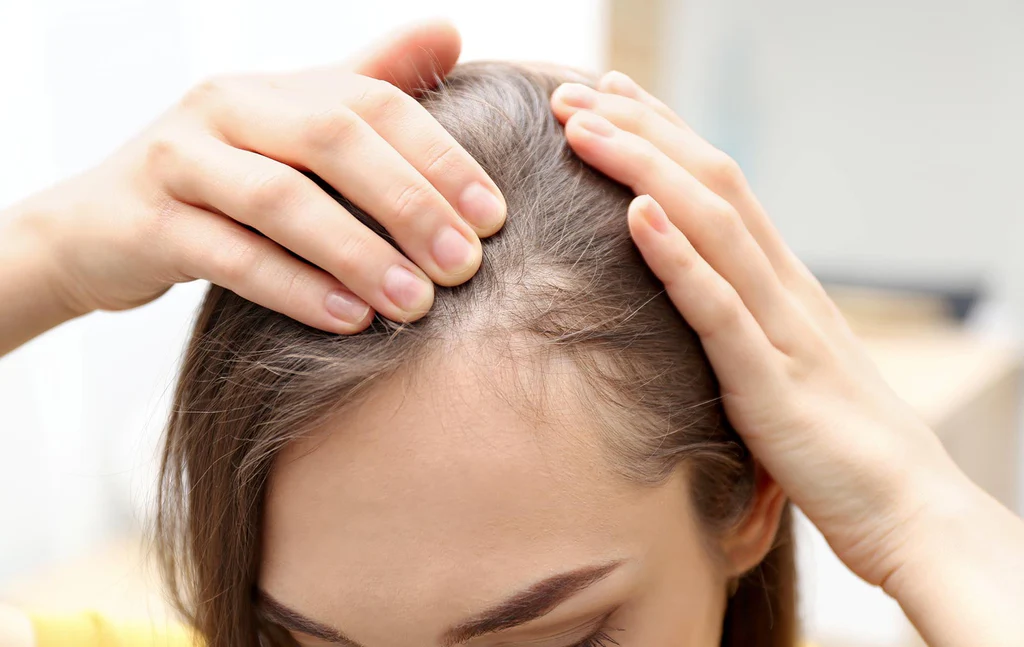
You can have dense fine hair that looks full, or thick strands with low density that still appear thin.
How to Make Thin Hair Look Thicker: 10 Proven Tips
1. Get Regular Trims
Frequent trims remove split ends that cause breakage and make hair look flat. No matter your preferred style, trimming helps maintain healthier-looking, fuller hair.
2. Use Shampoo & Conditioner Strategically
Many drugstore shampoos contain harsh sulfates that strip natural oils. Rotate between volumizing, moisturizing, clarifying, and gentle formulas to maintain scalp health without damaging your strands. Always follow shampoo with conditioner—shampoo opens the cuticle, while conditioner seals it to protect nutrients.
3. Support Your Health From Within
Your hair depends on internal nourishment. Supplements containing vitamins A, C, D, E, biotin (B7), zinc, and iron can promote better-looking hair. A healthy diet and quitting smoking can make a noticeable difference.
4. Reduce Heat Exposure
Heat from hot tools, hot showers, saunas, and even the sun can weaken hair. Minimize heat styling when possible and wear a hat during long sun exposure. Leave bleaching, coloring, and chemical services to professionals.
5. Brush the Right Way
Avoid brushing soaking wet hair since it’s more fragile. Blot gently with a towel and detangle damp hair using a wide-tootothed comb. Brush only when hair is mostly dry, starting from the ends and working upward.
6. Upgrade Your Sleep Routine
Cotton pillowcases can pull and tangle hair. Silk pillowcases reduce friction and help hair retain moisture. Light brushing before bed distributes natural oils, and loosely tying long hair can prevent breakage overnight.
7. Consider Low-Level Laser Therapy (LLLT)
LLLT devices—like laser combs, caps, and bands—emit red light that energizes hair follicles. Studies show they can be effective for many users when used as directed.
8. Get a Professional Scalp Analysis
If you’re unhappy with your hair’s appearance, a hair specialist can examine your scalp with tools like TrichoView to assess follicle health, density, and diameter. Routine check-ins help track progress.
9. Wear Looser Hairstyles
Tight ponytails, buns, braids, and heavy extensions can cause Traction Alopecia, a form of hair loss caused by repeated pulling. Switching to looser styles can prevent or reverse the damage.
10. Stimulate Your Scalp
Scalp massages improve blood flow to follicles, exfoliate dead skin, and even boost serotonin levels. Manual or electric scalp massagers can help keep your scalp healthy and relaxed.
Final Thoughts
Once you understand why your hair may be thinning, making it look fuller becomes much easier. Knowing whether your hair is thin, fine, or both helps you choose suitable styles and products. With regular trims, smart shampooing, a balanced diet, reduced heat exposure, and gentle hair care habits, thin hair can look noticeably thicker. Tools like LLLT and professional scalp checkups can offer even more targeted support.
If you need personalized guidance, scheduling a consultation with a hair-loss specialist can help you find the best long-term solution.