
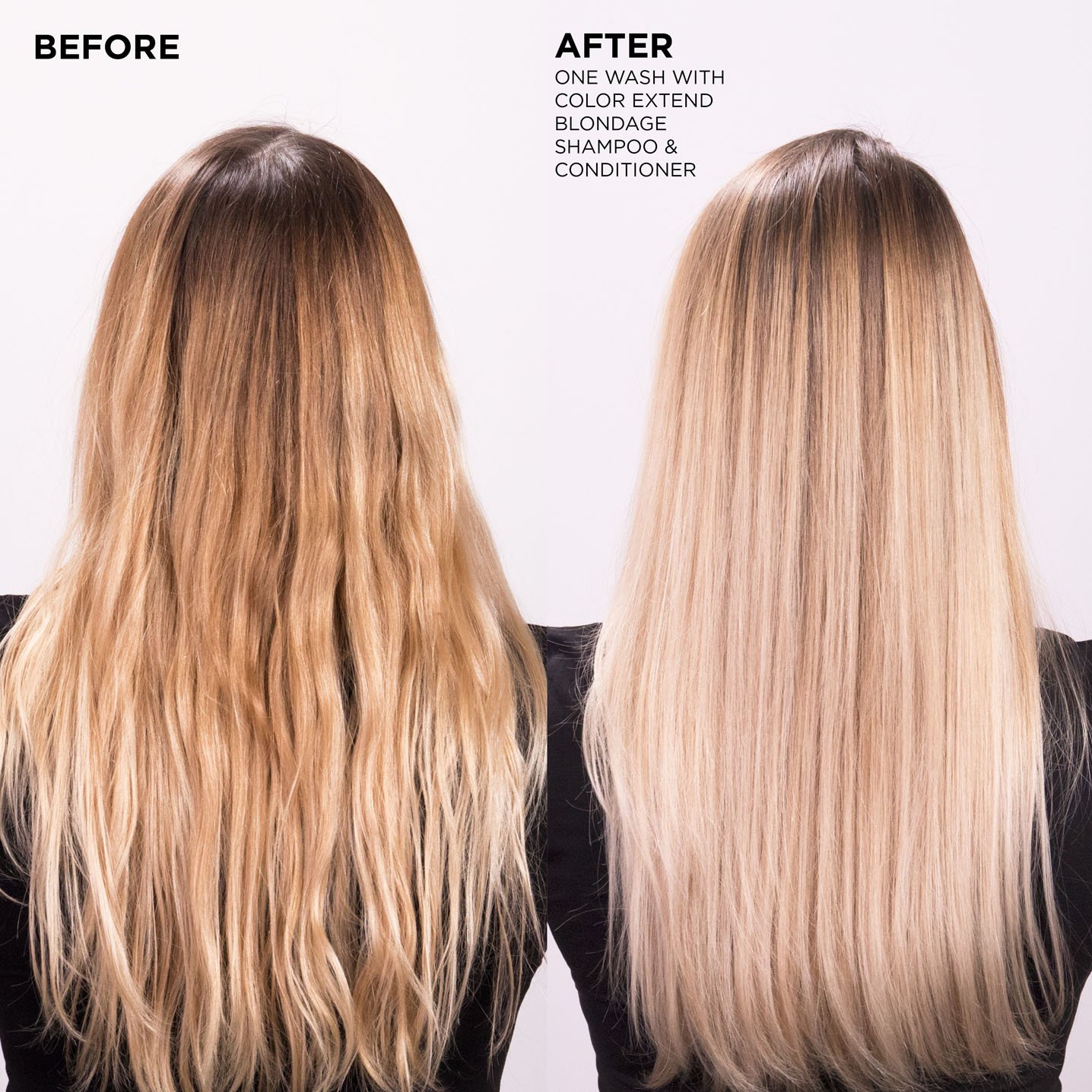

Noticing yellow, orange, or copper tones creeping into your blonde can be frustrating. Those warm shades — what people call brassiness — often show up a few weeks after colouring or lightening. Whether your blonde is natural or salon-treated, factors like sun exposure, heat styling, and mineral-rich water can speed up this change. The good news? Brassiness is common, and with a few practical steps, you can bring your hair back to that cool, bright look you love.
What is Brassy Hair and What It Looks Like?
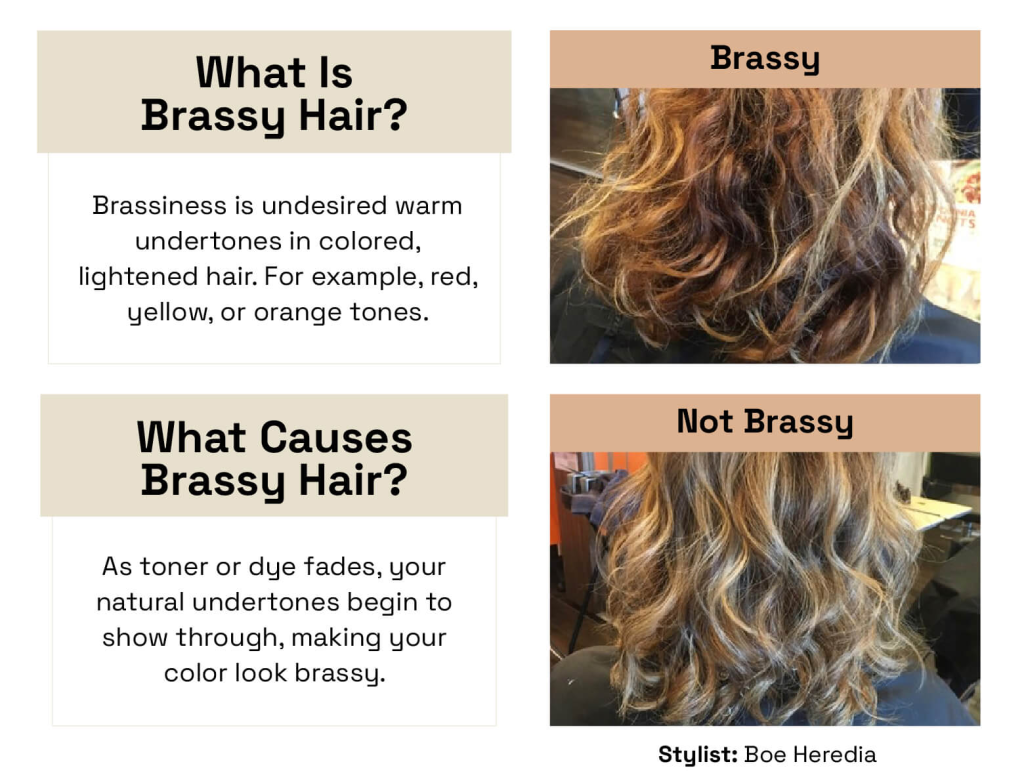
Brassy hair shows up as unwanted warm hues — think pale gold shifting toward yellow, orange, or even reddish tones. Instead of the cool, neutral blonde you wanted, those warmer undertones start to peek through as the colour fades. It’s a familiar sight for many people with colour-treated hair, but the right routine can help you manage it effectively.
What Causes Brassy Hair
Brassiness doesn’t appear out of nowhere. Over time, the natural pigment or dye in your hair breaks down, and warm pigments beneath the surface begin to show. Several common factors speed up this process:
- Oxidation: Everyday exposure to air, UV rays, and environmental pollutants can make blonde colour fade faster and deepen warm tones.
- Mineral buildup: Hard water and mineral deposits can alter colour, leaving hair looking dull and warmer.
- Harsh shampoos: Strong, sulphate-heavy cleansers strip colour and protective toners, revealing underlying warmth.
- Incorrect lightening: If hair isn’t lifted or toned correctly when first coloured, residual warmth may emerge sooner.
- Heat styling and overwashing: Frequent heat and washing without care can accelerate fading and brassiness.
- Chlorine and pollution: Harsh chemicals or airborne particles can worsen brassiness by interacting with hair pigments.
Color Theory 101: What Cancels Brass?
The science behind toning brass is surprisingly simple once you understand basic colour theory. If yellow tones are showing up, the opposite colour on the wheel — purple — helps neutralize them. For orange brass, blue tones work best, and even green-based products can help with stubborn red tones (though that’s less common in blonde hair). That’s why purple or blue toning shampoos and conditioners are so widely used: they help counterbalance unwanted warm hues.
How to Remove Brassy Tones from Blonde Hair at Home
Thankfully, brassy hair is something you can address at home with a few targeted tools:
Purple Shampoo
Purple shampoo is a go-to for toning blonde, gray, or platinum hair. The purple pigments in these formulas work against yellow tones without leaving hair looking dull or ash-colored. When used correctly, these shampoos brighten and refresh your colour while cleansing, and many formulas also condition rather than dry out your strands.
How to use: Swap your regular shampoo for a purple toning formula once or twice a week. Massage it into wet hair, lather, then rinse.
Pro tip: Leaving the shampoo on for 2–3 minutes gives subtle toning. For stronger neutralization, leave it on up to about 5 minutes — just watch your hair and adjust as needed.
Glosses & Demi-Permanent Toners
Glosses and demi-permanent toners are excellent for refreshing colour and adjusting tone between salon visits. They enhance shine and help correct warm hues without fully lifting or altering your base colour.
How to use: Apply gloss or toner to clean, towel-dried hair, focusing on areas that need toning. Always do a small strand test first and follow package instructions carefully.
Tip: Clear glosses add shine without affecting tone, while demi-permanent toners provide more targeted correction.
Clarifying Shampoo
Build-up from styling products, oils, and residue can make hair look dull and heavy, which makes brassiness more noticeable. A clarifying shampoo removes that stubborn build-up and leaves your hair clean and ready for toning treatments.
How to use: Massage into the scalp and hair, let it sit for 1–2 minutes, then rinse thoroughly. Always follow with a conditioner or mask to maintain softness and manageability.
How to Prevent Brassy Tones
Getting rid of brassiness is one thing, but keeping it at bay is another. These simple habits can help you maintain a cooler tone longer:
Weekly & Monthly Cadence
- Alternate between your regular shampoo and purple toning shampoo throughout the week.
- Wash with cool-to-lukewarm water — very hot water opens the hair cuticle and can accelerate fading.
UV and Heat Protection
- Use hair products with UV filters or leave-in sunscreens to guard against sun-induced brassiness.
- Lower heat settings on styling tools reduce oxidation and colour breakdown.
Protect from Chlorine and Hard Water
- Install a shower filter to eliminate minerals like chlorine that can dull blonde tones.
- Rinse your hair after swimming to reduce salt and chlorine exposure.
FAQs
What color cancels out brassy blonde hair?
Purple shampoo targets yellow tones, while blue toners are better for more pronounced orange hues, especially on darker blondes.
What is the hardest color to remove from hair?
Red and orange pigments are often the most stubborn and usually need careful toning or professional correction.
Will Dawn dish soap take colour out of hair?
It can strip oils and some dye, but it’s very drying. Toning products designed for hair are much safer and better for maintaining colour.
Final Thoughts
Brassy hair is extremely common, especially for blondes exposed to heat, sun, or hard water. The good news is that with consistent care — from purple shampoo to clarifying cleanses — you can control unwanted tones and keep your colour looking vibrant at home. Instead of occasional fixes, a regular routine will help your hair stay cool and fresh much longer.