

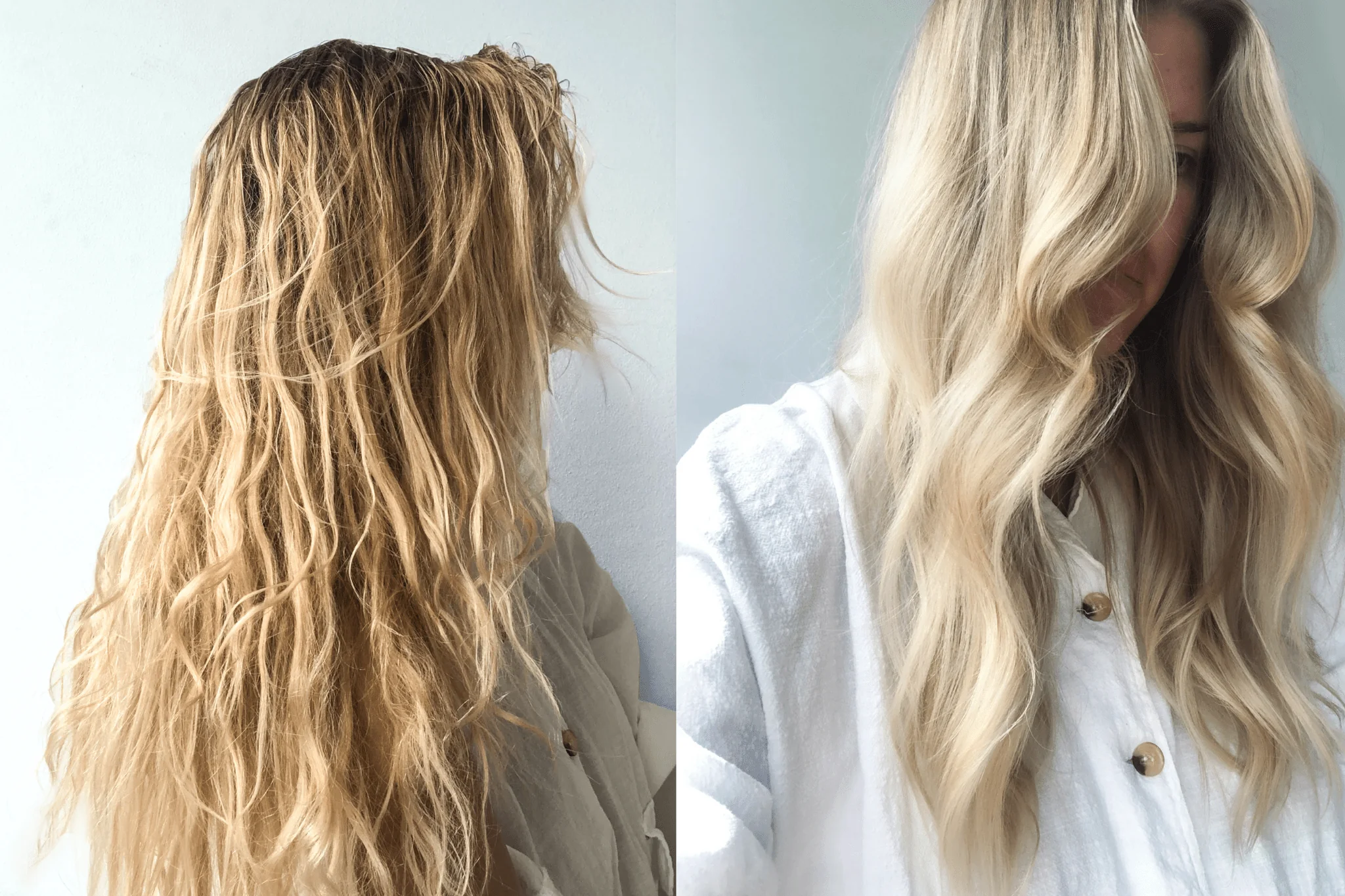

Blonde hair, especially when it’s lightened or chemically treated, is more vulnerable to damage than most people expect. While going blonde can look beautiful, the process often weakens the hair structure, leaving it dry, brittle, or prone to breakage. If your blonde hair feels rough, looks dull, or doesn’t behave the way it used to, damage is likely the reason.
The good news is that damaged blonde hair isn’t permanent. With the right care, you can restore strength, softness, and shine over time.
What Does Damaged Blonde Hair Look Like?
Damaged blonde hair usually shows clear warning signs. You might notice excessive dryness, split ends, or strands that snap easily when brushing. The hair can feel straw-like to the touch and may appear frizzy or lifeless, even after styling.
Color changes are also common. Blonde hair that’s damaged may fade unevenly, turn brassy faster, or lose its brightness entirely. In severe cases, hair may stretch when wet or feel gummy, which indicates structural damage.
What Causes Damage in Blonde Hair?
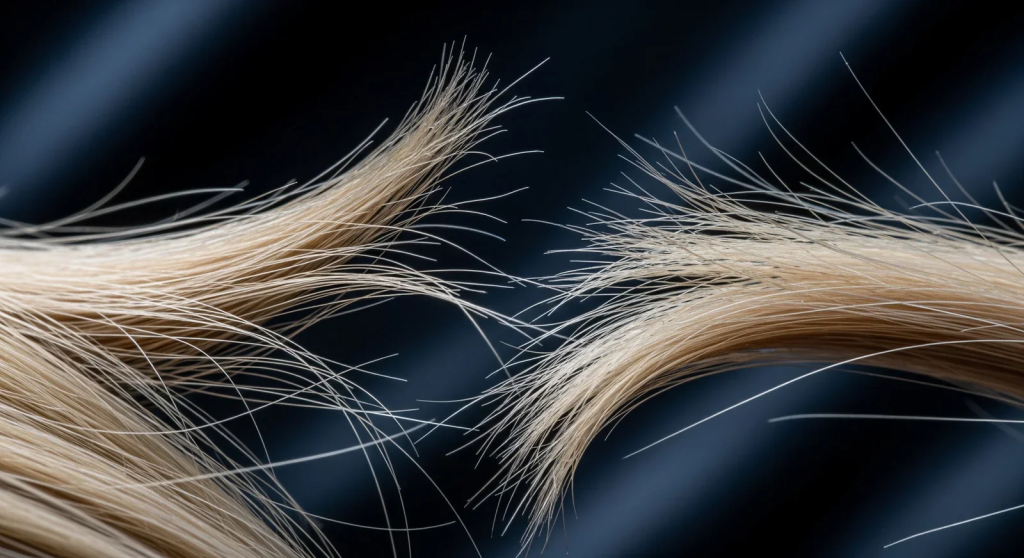
Blonde hair damage often happens due to a combination of chemical and environmental factors rather than one single issue.
Chemical Processing
Bleaching lifts natural pigment from the hair, which weakens the cuticle layer. Repeated coloring, over-processing, or incorrect lightening techniques can make the hair fragile and more prone to breakage.
Heat Styling
Frequent use of straighteners, curling irons, or blow dryers can worsen existing damage. High heat strips moisture from already weakened blonde hair, leading to dryness and split ends.
Sun Exposure and Environmental Stress
UV rays, pollution, and hard water can all contribute to hair damage. Over time, these factors break down protein bonds and strip moisture from blonde hair.
Improper Hair Care Routine
Using harsh shampoos, overwashing, or skipping conditioner can accelerate damage. Blonde hair requires extra hydration and gentler handling compared to untreated hair.
How to Repair Damaged Blonde Hair
Repairing damaged blonde hair takes patience and consistency, but noticeable improvement is possible with the right approach.
Use Bond-Repair Treatments
Bond-building products help reconnect broken bonds inside the hair shaft. These treatments strengthen hair from within and are especially helpful for chemically processed blonde hair.
Deep Conditioning Masks
Weekly deep-conditioning masks restore moisture and improve elasticity. Look for formulas rich in proteins, oils, and nourishing ingredients that replenish what bleaching removes.
Limit Heat Styling
Reducing heat exposure gives hair time to recover. When heat styling is unavoidable, always use a heat protectant and keep tools on lower temperature settings.
Trim Regularly
Trimming split ends prevents further breakage from traveling up the hair shaft. Even small trims make a noticeable difference in hair health over time.
How to Prevent Further Damage
Once your blonde hair starts to recover, prevention becomes just as important as repair.
Switch to Gentle Hair Products
Use sulfate-free shampoos and conditioners designed for color-treated or damaged hair. These formulas cleanse without stripping essential moisture.
Wash Less Frequently
Overwashing dries out blonde hair. Washing fewer times per week helps retain natural oils and reduces stress on fragile strands.
Protect Hair from Sun and Chlorine
UV protection sprays and hats can help shield hair from sun damage. Before swimming, wet your hair and apply conditioner to reduce chlorine absorption.
When to Seek Professional Help
If your hair feels extremely weak, stretchy, or continues breaking despite home care, a professional stylist can help assess the damage. Salon treatments and corrective plans may be needed for severe cases.
Final Thoughts
Damaged blonde hair is common, especially when lightening and styling are involved. While the damage doesn’t disappear overnight, the right routine can dramatically improve hair health. By focusing on gentle care, moisture, and repair treatments, blonde hair can regain its strength, softness, and shine over time.
Consistency is key — treat your hair kindly, and it will show in how it looks and feels.