


Experiencing excessive shedding or sudden thinning can be distressing. While external haircare routines are essential, internal nutrition plays an equally critical role in maintaining robust follicular health. Discover the biological mechanics behind this vital nutrient, how a lack of it triggers shedding, and the clinical steps you can take to restore your tresses naturally.
- What is Vitamin B12?
- How Vitamin B12 Works For Hair Growth?
- Vitamin B12 Benefits For Hair
- Does Low Vitamin B12 Cause Hair Loss?
- Signs & Symptoms Of Vitamin B12 Deficiency
- How to Treat Vitamin B12 Deficiency?
- Precautions
- Can Vitamin B12 Deficiency Alone Cause Hair Loss?
- When To Visit A Dermatologist?
- Hair Fall Treatments At Oliva Clinic
What is Vitamin B12?
Also known as cobalamin, Vitamin B12 is a powerful, water-soluble member of the B-complex family. It is absolutely essential for the foundational functioning of the human body, directly assisting in the formation of new red blood cells, maintaining the central nervous system, and actively producing DNA for rapid cell division. Because hair follicles are some of the most metabolically active and rapidly dividing cells in the body, they rely heavily on these processes to sustain healthy, continuous growth.
How Vitamin B12 Works For Hair Growth?
Vitamin B12 is one of the 8 vitamins of the B complex group. Also known as cobalamin, the B12 vitamin plays a major role in hair health. It helps create new red blood cells that are vital for supplying oxygen and other nutrients to your hair follicles. This action keeps the follicles healthy and helps in your hair growth process. It is essential to ensure that you are getting enough of it. Any deficiency in vitamin B12 hampers hair growth and leads to potential hair loss in individuals.
Vitamin B12 Benefits For Hair
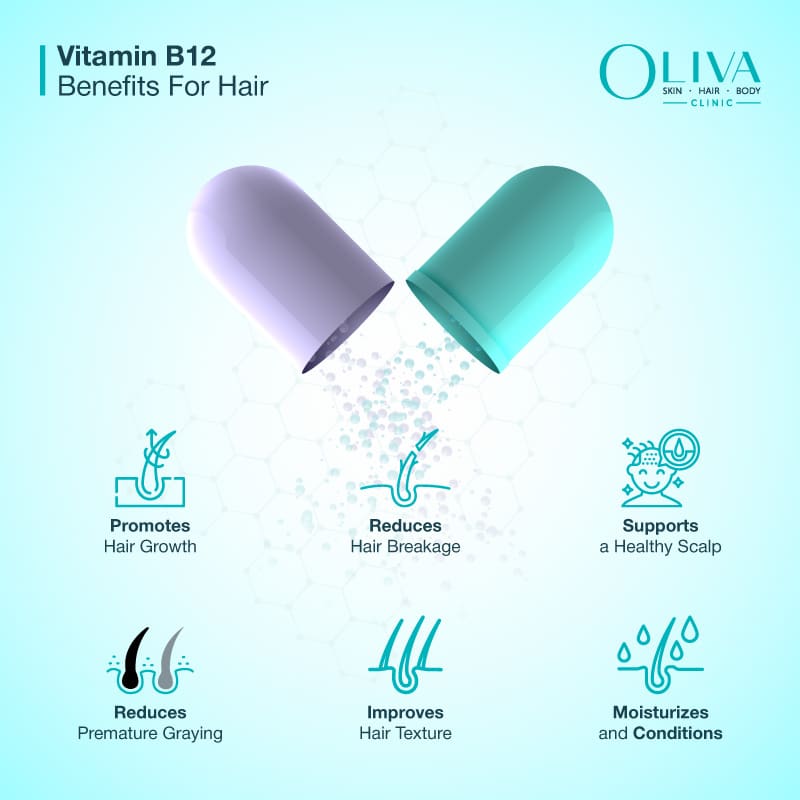
Here is a list of vitamin B12 benefits for hair that you should know:
- Promotes Hair Growth:One of the significant benefits of vitamin B12 for hair is that it stimulates hair growth by enhancing blood circulation to your scalp.
- Reduces Hair Breakage:Vitamin B12 helps in the creation of keratin, a protein that is responsible for maintaining the structure of your hair strands. It also strengthens the strands and prevents them from becoming weak or brittle.
- Improves Hair Texture and Shine:Vitamin B12 for hair enhances the hair texture and shine by nourishing the hair from within.
- Moisturises and Conditions:This vitamin prevents dryness from your scalp and keeps it moisturised by supporting the supply of oxygen to your scalp.
- Supports a Healthy Scalp:Yet another advantage of incorporating vitamin B12 in your daily routine is that it helps maintain a healthy scalp. This essential nutrient supports the production of natural oil in your scalp.
- Reduces Premature Greying:When you include vitamin B12 in your daily diet, it helps prevent premature greying and maintains your hair’s natural colour.
Does Low Vitamin B12 Cause Hair Loss?
Yes. While it may not trigger shedding instantly, a deficiency is a major contributing factor to chronic hair loss. When levels drop, the body physically slows down cell division, entirely disrupting the anagen (growth) phase of the hair cycle. Furthermore, the resulting decrease in red blood cell count drastically reduces oxygen delivery, causing the follicles to dry out, weaken, and eventually shed prematurely.
Signs & Symptoms Of Vitamin B12 Deficiency
Because its effects are systemic, diagnosing a deficiency can be challenging without proper blood work. However, there are several visual, hair-related symptoms you should carefully monitor:
- Excessive hair shedding or thinning hair
- Dry and brittle hair that is prone to breakage
- Premature greying of hair
- Change in hair texture
- Scalp issues or an unhealthy scalp
Beyond cosmetic issues, watch for these severe systemic warning signs:
- Fatigue
- Anemia
- Neurological sickness
- Memory loss
- Mood changes
- Depression
How to Treat Vitamin B12 Deficiency?
Now that you have understood about vitamin B12 deficiency, it is time to know how to treat it. Here are some ways you can address this issue:
- Supplements: If you have a mild to moderate deficiency, take vitamin B12 supplements to maintain adequate levels.
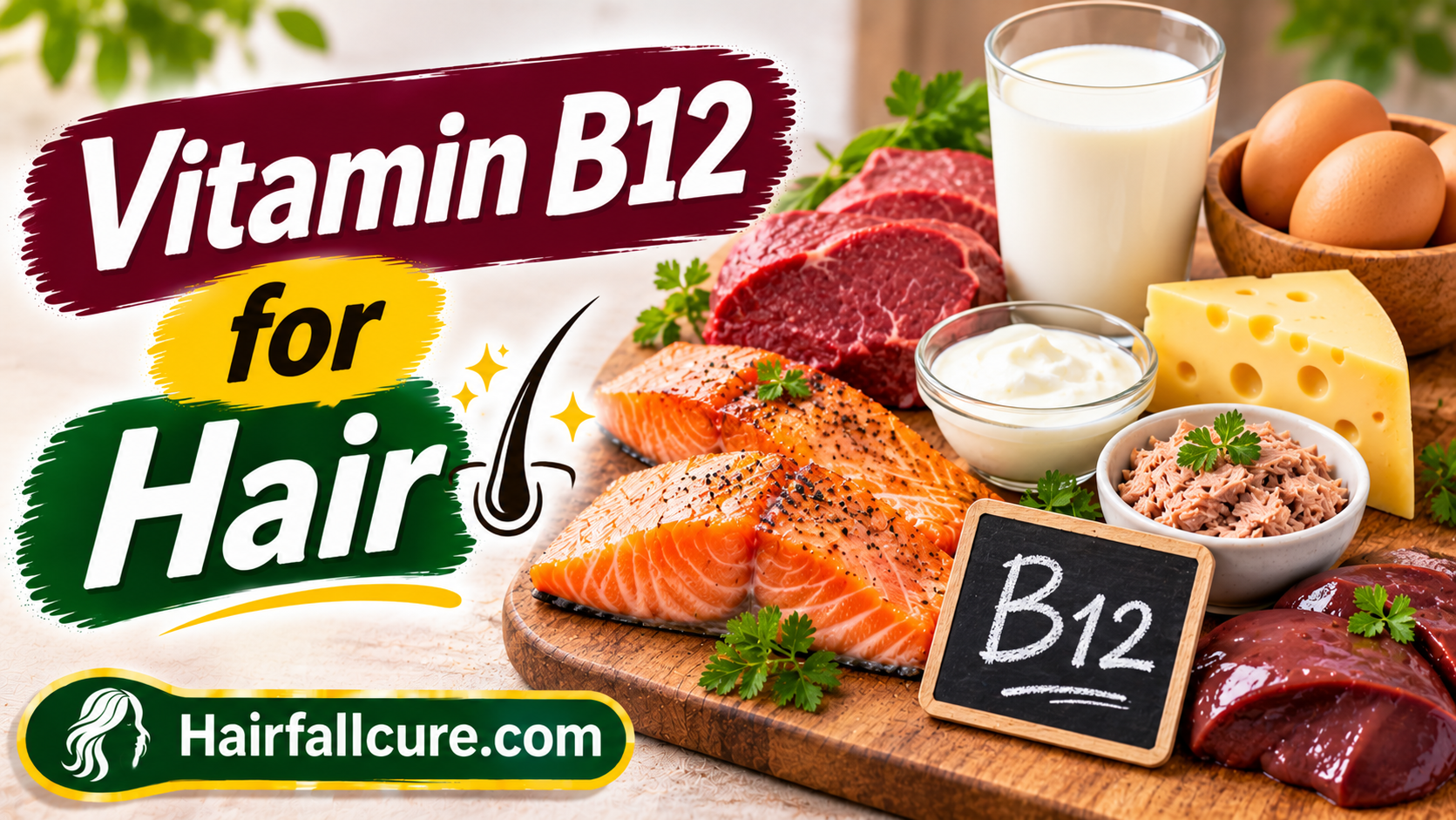
- Dietary Changes: Make necessary changes to your diet by including B12-rich foods like meat, eggs, dairy products and other sources of B12.
- Medications: In most severe cases of vitamin deficiency, doctors may administer vitamin B12 injections or prescribe vitamin B12 medication.
- Dermatologist Consultation: Always have a diagnosis from your dermatologist to identify the deficiency, the severity of hair loss and recommend a suitable treatment plan.
Precautions
Maintaining adequate levels of B12 is essential to prevent vitamin B12 deficiency in your body. Here are some tips you can follow:
- Avoid frequent consumption of alcohol, as it can make absorption of B12 difficult for your body.
- Eat foods that are rich in vitamin B12.
- Certain medications can affect your B12 levels. Watch out and discuss with your doctor.
Can Vitamin B12 Deficiency Alone Cause Hair Loss?
Yes, a vitamin B12 deficiency can be a contributing factor to hair loss in some individuals. It is important to get B12 levels tested. Identifying and addressing the B12 deficiency can help reverse this type of hair loss. The best thing you can do is consult a dermatologist who will help with the right plan.
When To Visit A Dermatologist?
Early diagnosis can help reduce your hair loss and improve your hair and body health. You should see a dermatologist for hair loss if:
- If you have persistent hair loss
- If you feel there is no clear cause of hair loss
- If you notice other symptoms, like fatigue, weight loss, or fever, in addition to hair loss.
Hair Fall Treatments At Oliva Clinic
During a professional consultation, clinical experts will perform an exhaustive diagnosis to determine if a nutritional deficiency is the true root cause of your shedding. This process includes comprehensive blood work, a thorough review of your medical history, and a detailed scalp evaluation. Based on these empirical findings, dermatologists may recommend advanced, targeted treatments:
PRP Hair Loss Treatment
Platelet-Rich Plasma therapy is a highly effective, non-surgical solution. The process involves drawing a small blood sample, isolating the plasma, activating it with powerful growth factors, and meticulously injecting it directly into the thinning areas of the scalp to aggressively stimulate dormant follicles.
QR678 Neo
This advanced peptide treatment is specifically designed for individuals suffering from nutrition or hormone-induced thinning. Clinical experts inject a proprietary solution directly into the scalp tissue using micro-needles, delivering concentrated growth factors that force inactive follicles back into the growth phase.
Medication
Depending on the exact severity and underlying cause of the shedding, doctors may prescribe specific topical or oral medications, paired with personalized nutritional guidance, to stabilize the condition and foster long-term regrowth.