

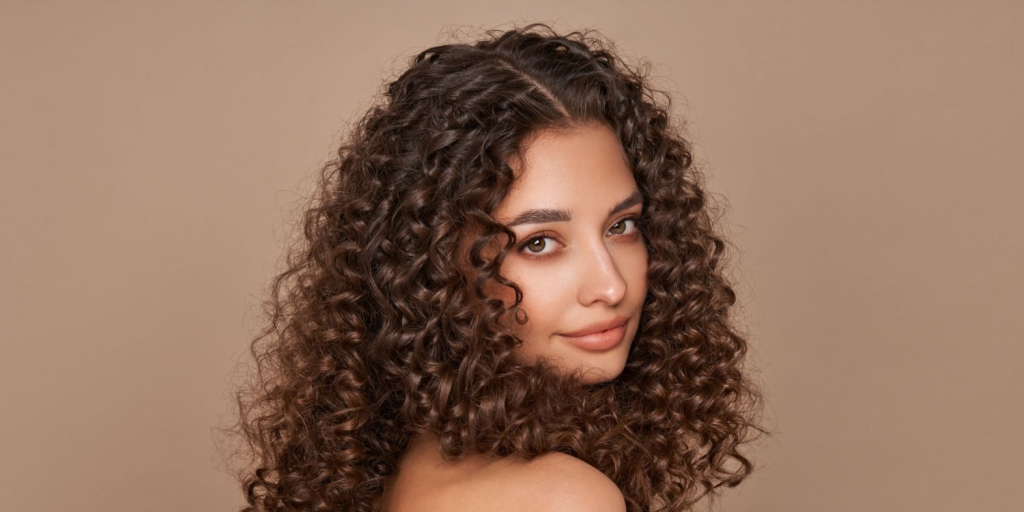
All hair follicles share a fundamental structure, yet the shape of the follicle determines the texture of your hair. While straight hair grows from round follicles, curly and coily hair grows from S-shaped or elliptical follicles.
These differences are deeply rooted in genetics and ethnic background. For instance, many women of African descent typically have curly or coily hair structures, while a majority of East Asian women tend to have straight hair.

Why Curly Hair Needs Extra Love
The struggle with curls often boils down to moisture retention and structural fragility.
- Dryness: The coils prevent sebum from reaching the tips, leaving ends dehydrated.
- Breakage: Research shows curly hair is at higher risk of breakage from grooming and heat tools.
- Amino Acid Loss: A study found that chemical relaxing treatments can deplete essential amino acids like cystine and arginine, weakening the hair fiber.
- Premature Greying: Frequent heat styling can degrade melanin, making curls susceptible to early aging.
The Factors of a Good Regimen
To combat these issues, you need a routine that focuses on hydration and gentle handling.
1. The Cleansing Method
Harsh sulfates strip natural oils. Opt for shampoos formulated with saponified oils and butters (often found in cold-processed bars). These cleanse the scalp without dehydrating the hair shaft.
2. Water Quality & Temperature
Hard water can cause mineral buildup that weighs curls down. Use soft water if possible, and always rinse with lukewarm water. Hot water can lift the cuticle and cause frizz, while lukewarm water helps seal moisture in.
3. Sleep Habits
Friction is the enemy of smooth curls. Avoid sleeping on cotton pillowcases, which absorb moisture and cause tangles. Instead:
- Sleep on your side to reduce pressure on the back of your head.
- Cover your hair with a silk or satin scarf (or use a silk pillowcase) to prevent friction.
A Curated 5-Step Routine with Juicy Chemistry
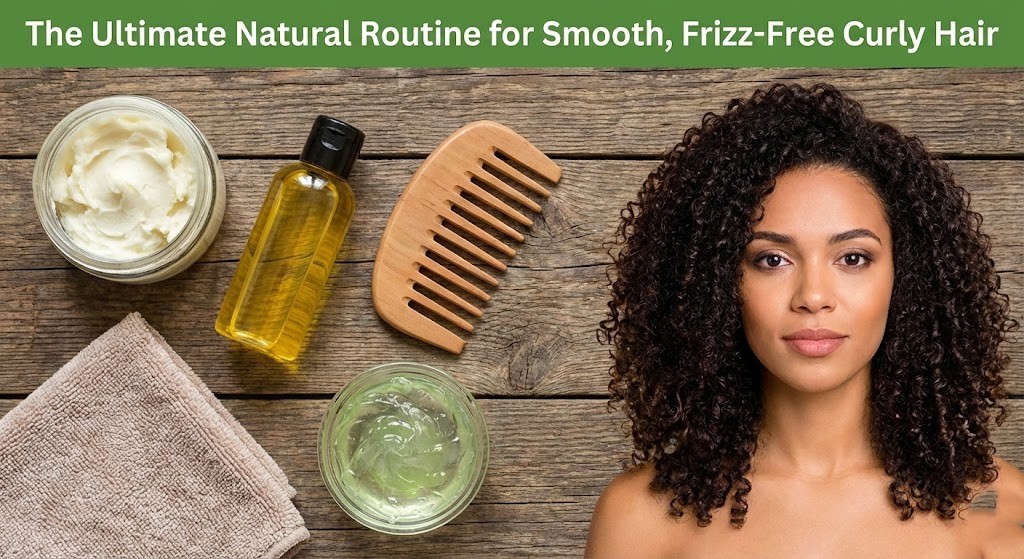
If you are looking for an all-natural, organic approach, this routine using Juicy Chemistry products is designed to lock in moisture and define curls.
Step 1: Pre-Shampoo Nourishment
Dispense a few pumps of the Sacha Inchi, Argan, and Mango Butter Hair Mask.
- Why: Mango butter and Argan oil provide deep conditioning to brittle strands.
- How: Massage into the scalp and distribute down to the tips. Leave it on overnight for maximum absorption.
Step 2: Cleanse Gently
Wash your hair with a gentle, organic cleanser like the Apple Cider Vinegar, Argan, and Ylang Ylang Organic Shampoo.
- Why: Apple Cider Vinegar helps balance scalp pH, while Vitamin E ensures the hair remains soft.
Step 3: Pat Dry (Don’t Rub!)
After rinsing, gently pat your hair dry using a soft cotton t-shirt or a microfiber towel. Traditional terry cloth towels are too rough and create frizz.
Step 4: Lock in Moisture
While your hair is still damp, apply the Camellia, Amla, and Apricot Leave-In Conditioner to the ends.
- Why: Camellia and Amla oils hydrate dry hair, while Cedarwood essential oil helps manage frizz and enhance shine.
Step 5: Style Without Heat
Avoid blow dryers whenever possible. Let your hair air-dry naturally to preserve the curl pattern. If you must use heat, use a diffuser on a low setting.
Frequently Asked Questions
How often should I wash curly hair? Washing too often strips moisture, but washing too little causes buildup. A sweet spot for most curly hair types is once a week or twice every 10–14 days, depending on the season and your activity level.
How can I enhance the oiling experience? To maximize the benefits of organic hair oils, warm the oil slightly before application. This helps the oil penetrate the hair shaft more effectively.
Also Read : The Bountiful Benefits of Rosehip Oil for Hair Restoration