


Let’s be completely candid: discovering head lice in your hair (or a family member’s hair) induces instant, intense panic. Your scalp suddenly feels itchier, and the instinct to aggressively wash everything you own kicks in.
Before you reach for home remedies like mayonnaise, olive oil, or harsh household chemicals, let’s clear up the single biggest misconception about this issue: Getting head lice has absolutely nothing to do with poor personal hygiene. In fact, lice actually prefer clean hair because it is easier for them to grip the hair shaft!
Head lice are simply a highly contagious, biological nuisance—a rite of passage for millions of families every year. If you want to eliminate them quickly and safely, you have to ditch the myths and stick to biology. Here is the straightforward, science-backed guide to getting rid of lice for good.
Step 1: Confirm It Is Actually Lice (Not Dandruff)
Before applying any treatments, you must confirm you are actually dealing with an active infestation. It is incredibly common to mistake severe dandruff or hair product buildup for lice eggs (nits).
- The “Flick” Test: Dandruff and dry scalp flakes will easily fall or flick off the hair shaft when you brush them.
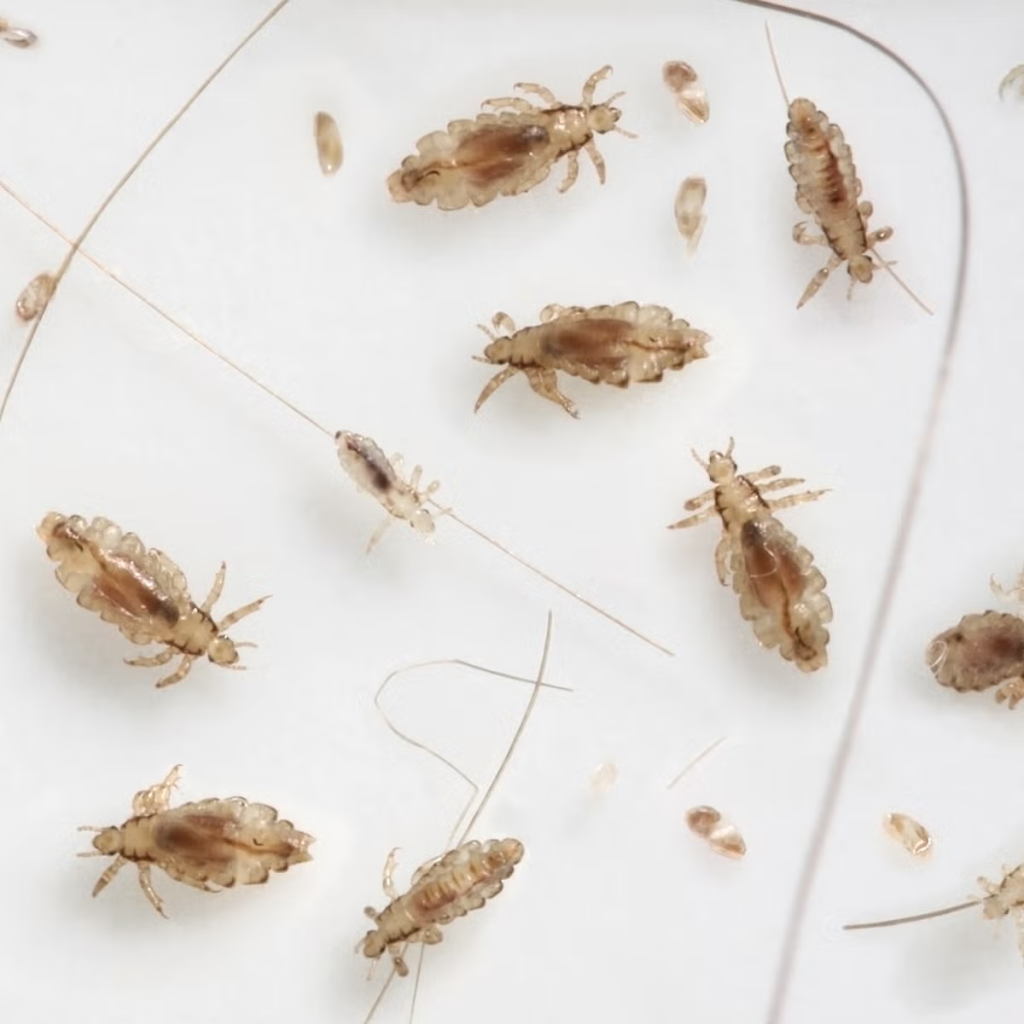
- The Glue of a Nit: According to the Mayo Clinic, female lice secrete a glue-like substance that strongly cements the nits to the base of the hair shaft (about 1/4 inch from the scalp). If you cannot easily pull the white/yellow speck off the hair without pinching and sliding it all the way down the strand, it is a nit.
Step 2: Choose the Right First-Line Treatment
Once confirmed, your first step is an Over-The-Counter (OTC) pediculicide (lice-killing shampoo or lotion). The most common active ingredients are Permethrin (1%) or Pyrethrin.
- How to Apply: Follow the box instructions perfectly. Apply to dry or towel-dried hair, leave it on for the exact specified time, and rinse out over a sink (not in the shower, to minimize skin exposure).
- The “Super Lice” Problem: The American Academy of Pediatrics (AAP) notes that in many regions, lice have developed a genetic resistance to standard OTC treatments—these are commonly called “super lice.” If you use an OTC treatment correctly and still see actively crawling lice 48 hours later, you will need to contact a doctor for a stronger, prescription-grade treatment like Ivermectin or Spinosad.
Step 3: The Comb-Out (The Most Crucial Step)
Chemical treatments kill the live bugs, but they do not always penetrate the hard shell of the eggs. If you do not physically remove the nits, they will hatch a week later, and the nightmare will start all over again.
- Get a Metal Comb: Throw away the flimsy plastic combs that come in the medicine boxes. You need a high-quality, fine-toothed metal nit comb.
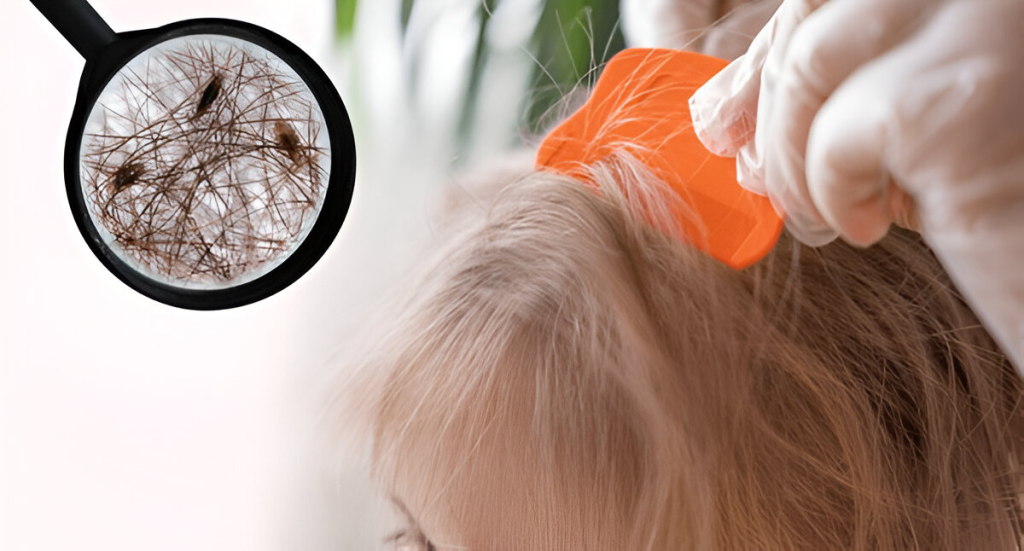
- The Technique: The Cleveland Clinic recommends coating the hair in a thick, white conditioner to slow down any surviving lice and make the hair slick. Section the hair into tiny, paper-thin rows, and comb from the very root all the way down to the ends. Wipe the comb on a white paper towel after every single swipe to check for bugs and nits.
- Frequency: You must repeat this comb-out process every 2 to 3 days for at least two solid weeks.
Step 4: Clean Your Environment (Without Panicking)
When a lice outbreak happens, the instinct is to bag up every stuffed animal and boil every bedsheet. Take a deep breath—you do not need to tear your house apart.
Lice are obligatory human parasites. According to the Centers for Disease Control and Prevention (CDC), head lice cannot survive for more than 24 to 48 hours once they fall off a human host because they need a blood meal to survive. Nits will not hatch if they are not kept at the exact temperature of a human scalp.+1
- What to Wash: Machine wash the clothing, pillowcases, and towels the infested person used during the last 48 hours using hot water (at least 130°F/54°C) and a high-heat drying cycle.
- What to Soak: Soak hairbrushes, combs, and hair ties in water hotter than 130°F for 5 to 10 minutes.
- What to Vacuum: Vacuum the floor and furniture where the person recently sat or slept. There is absolutely no need to spend money on toxic fumigation sprays for your home.
Conclusion
Getting rid of head lice is tedious and requires a lot of patience, but it is entirely manageable. By combining a targeted chemical or prescription treatment with the meticulous, physical removal of nits using a metal comb, you can break the life cycle completely. Remember to skip the unproven home remedies, manage the laundry efficiently without panicking, and stay consistent with your combing for two full weeks. You will get through this!
Also Read : Top Oily Hair Remedies: Best Natural Solutions to Control Greasy Scalp


