
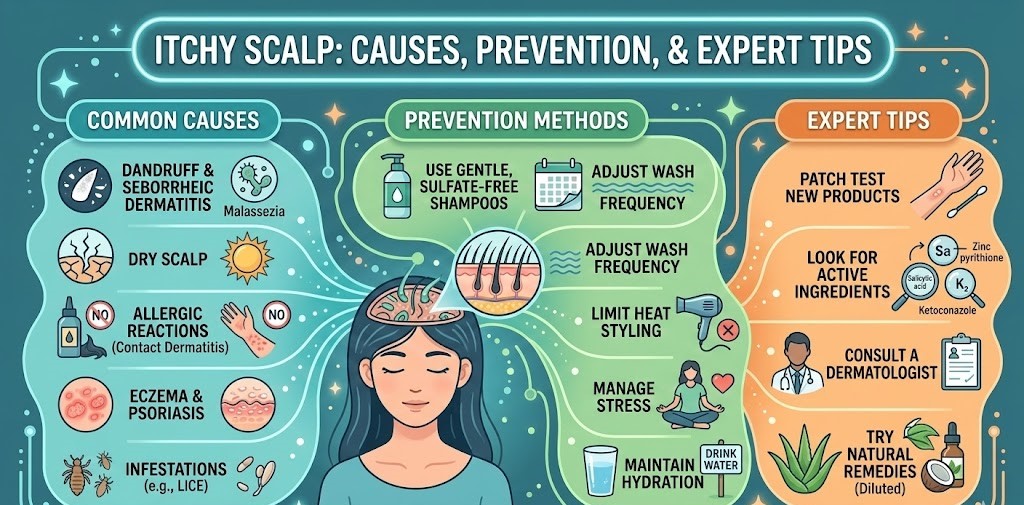

An itchy scalp is more than just a minor annoyance; it can be a persistent, distressing condition that affects your hair health and daily comfort. Whether it’s the result of seasonal changes, product buildup, or underlying fungal issues, understanding the “why” behind the itch is the first step toward relief in 2026.
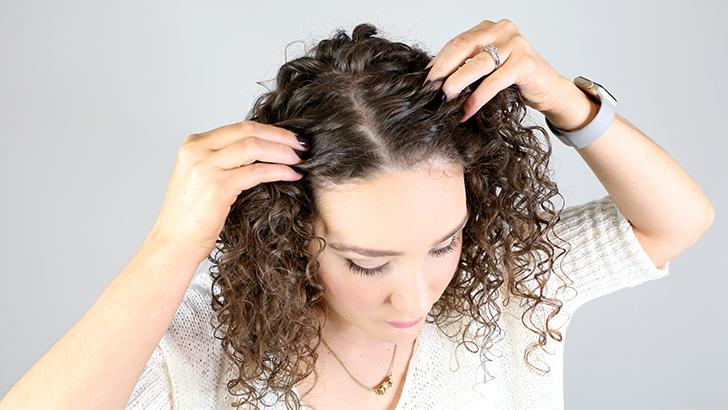
🔍 Why Do We Itch? Common Causes
The scalp is a sensitive ecosystem. When its balance is disturbed, inflammation and itching follow.
| Cause | Description |
| Dandruff & Seborrheic Dermatitis | The most common cause, triggered by an overgrowth of yeast-like fungus. |
| Dryness | Lack of hydration or cold weather strips the scalp of natural oils. |
| Product Buildup | Residue from dry shampoos, hairsprays, and heavy silicones clogs pores. |
| Infections | Fungal (ringworm) or bacterial infections, as well as head lice. |
| Allergic Reactions | Sensitivity to harsh chemicals like SLS or synthetic fragrances. |
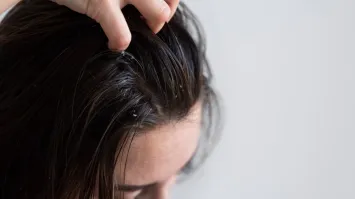
🛡️ 10 Expert Tips to Treat and Prevent an Itchy Scalp
- Hydrate from Within: Drink at least 3 liters of water daily. A dehydrated body leads to a dehydrated, flaky scalp.
- Vitamin-Rich Diet: Incorporate spinach, almonds, and flaxseed oil into your meals to nourish hair roots.
- Gentle Massages: Use a nourishing hair growth oil to distribute natural sebum and boost circulation.
- Wash with Care: Avoid hot water, which strips moisture. Limit hair washing to 3 times a week using tepid water.
- Eliminate Harsh Chemicals: Switch to sulfate-free and paraben-free shampoos. Natural extracts like Neem and Tea Tree are ideal for soothing irritation.
- Stop Sharing: To prevent the spread of lice or fungal spores, never share combs, hats, or pillowcases.
- Aloe Vera Treatment: Apply pure aloe vera gel for 20 minutes before rinsing to cool inflammation and heal minor scratches.
- Scalp Exfoliation: Use a gentle scalp scrub once a week to remove dead skin cells and product residue.
- Weekly Hair Masks: Use a deep-conditioning mask to provide the extra hydration that standard conditioners might miss.
- Natural Rinses: An Apple Cider Vinegar (ACV) rinse can help restore the scalp’s natural pH level and kill bacteria.
🔗 Expert Hair Care Resources
- Healthians: Tips to Improve Hair and Scalp Health: Explore how internal health and lifestyle changes impact your scalp’s condition.
- The Spruce: Designing a Spa-Like Hair Care Routine: Learn how to organize your bathroom for an effective, consistent hair care regimen.
- Better Homes & Gardens: Natural Ingredients for Hair Repair: A guide to botanical extracts like Peppermint and Jojoba for soothing irritated skin.
- Forbes Health: Understanding the Science of Hair Loss: Why chronic inflammation and scratching can lead to permanent follicle damage.
- Minea: Trending Scalp Care Products 2026: Stay updated on the latest viral scalp treatments and tools currently leading the market.
Conclusion
Managing an itchy scalp in 2026 is about consistency and choosing the right ingredients. By focusing on internal hydration and switching to gentle, toxin-free products, you can stop the itch before it leads to more serious issues like hair thinning. Remember, if your itch is accompanied by sores, crusting, or bleeding, it is essential to consult a dermatologist to rule out clinical conditions like psoriasis or eczema.
Also Read: How to Remove Chewing Gum From Hair — Simple, Gentle Fixes That Actually Work